
Himalayan pilgrimage · Garhwal and Kumaon · Uttarakhand
Mahavatar Babaji Cave Tour from Rishikesh – 7 Days
Discover sacred Himalayan temples, holy river confluences and the spiritual landscape surrounding Mahavatar Babaji Cave on a seven-day private journey from Rishikesh. Travel through the Garhwal Himalayas to Badrinath and Mana Village, explore Adi Badri and Dwarahat, visit Dunagiri Mata Temple and Kainchi Dham, and finish among the lakes and hills of Nainital.
This itinerary combines pilgrimage, Himalayan scenery, cultural heritage and a walking visit to the cave near Kukuchina. Mountain travel involves long road journeys, so the final schedule should be confirmed around weather, temple opening dates, daylight and road conditions.
Tour overview
About the Mahavatar Babaji Cave Tour from Rishikesh
The Mahavatar Babaji Cave tour from Rishikesh is a multi-day pilgrimage through two distinct Himalayan regions: Garhwal, known for its sacred river confluences and Badrinath, and Kumaon, home to Dwarahat’s historic temples, Dunagiri and the cave approach near Kukuchina.
Starting in Rishikesh, the route follows mountain roads to Vashishta Cave, Devprayag and Rudraprayag before continuing towards Badrinath. You can explore the Badrinath pilgrimage area and Mana Village, subject to seasonal access. The journey then turns towards Adi Badri and the Kumaon hills before reaching Mahavatar Babaji Cave, a site revered by devotees in the Kriya Yoga tradition.
The return journey includes Dunagiri Mata Temple, the temple heritage of Dwarahat, Kainchi Dham and Nainital. Because this route covers a large area, some stops may need to be shortened or omitted if weather, road delays, temple schedules or daylight make the full plan impractical.
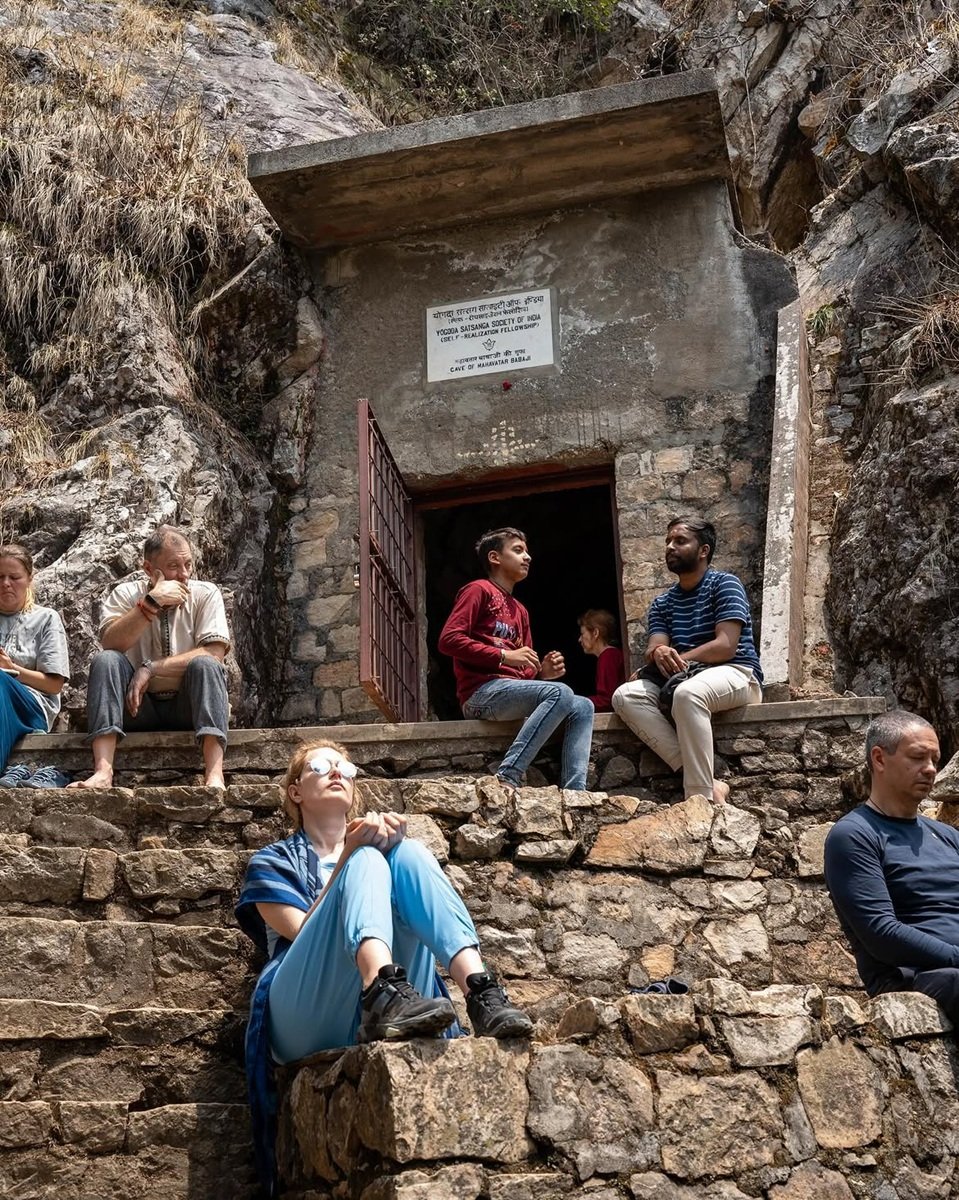
Mahavatar Babaji Cave
Walk from the Kukuchina area to the cave associated with the Kriya Yoga tradition. Allow time for the uphill trail, a quiet visit and the return walk.
Devprayag and Rudraprayag
See important Himalayan sangams, where rivers meet amid steep valley landscapes and long-standing pilgrimage traditions.
Badrinath and Mana Village
Explore the Badrinath temple area and, when accessible, visit nearby Mana Village and sites associated with local religious traditions.
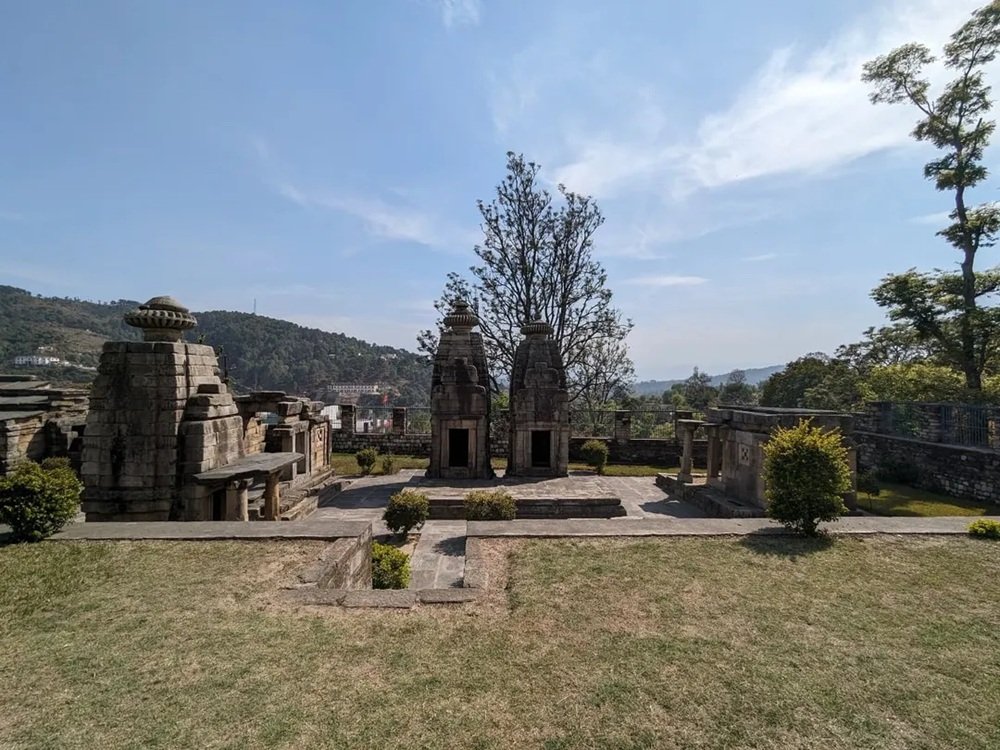
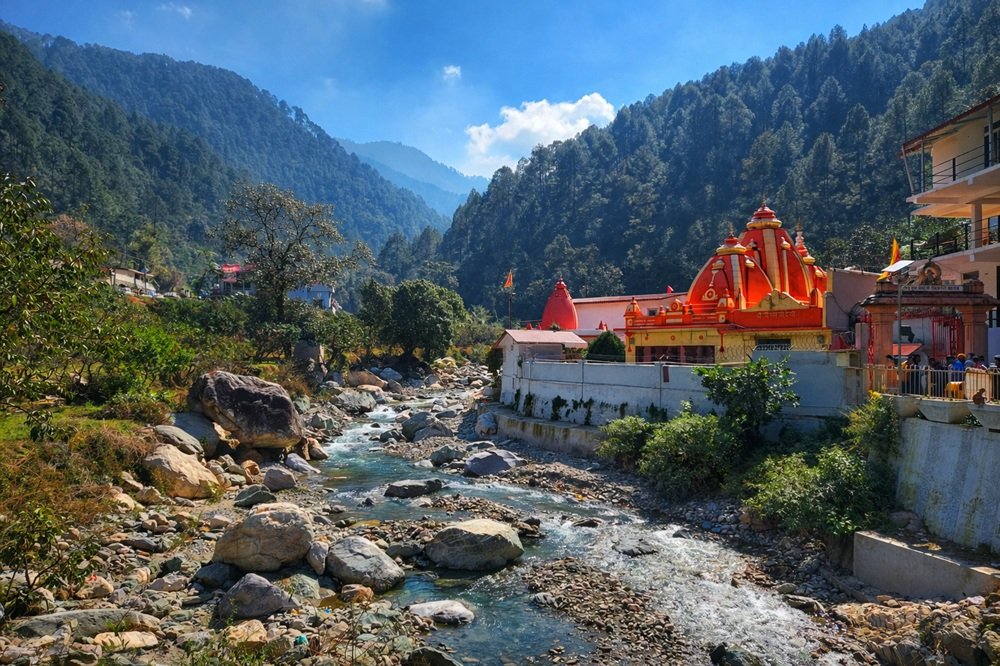
Dwarahat, Dunagiri and Kainchi Dham
Discover historic temples and revered spiritual destinations on the Kumaon section of the tour.
Places along the journey
Mahavatar Babaji Cave Tour Photo Gallery
These photographs illustrate key spiritual and cultural places associated with the Kumaon portion of the journey. The full itinerary also includes Garhwal pilgrimage destinations such as Devprayag and Badrinath.


Route at a glance
7-Day Route: Rishikesh to Mahavatar Babaji Cave and Nainital
Route overview only. The actual driving order and overnight stops should be checked against current road conditions, travel dates and the opening dates of seasonal pilgrimage sites.
| Day | Main route | Suggested overnight |
|---|---|---|
| 1 | Rishikesh, Vashishta Cave, Devprayag and Dhari Devi area | Rudraprayag |
| 2 | Rudraprayag via the Alaknanda valley to Badrinath | Badrinath |
| 3 | Badrinath, Mana Village and nearby pilgrimage sites | Badrinath |
| 4 | Badrinath via Joshimath and Karnaprayag towards Adi Badri | Gairsain |
| 5 | Gairsain via Dwarahat and Kukuchina; visit Mahavatar Babaji Cave | Dwarahat or nearby |
| 6 | Dunagiri Mata Temple, Dwarahat and Kainchi Dham | Nainital |
| 7 | Nainital sightseeing and departure towards Kathgodam or Delhi | Tour concludes |
Day-by-day programme
Mahavatar Babaji Cave Tour Itinerary – 7 Days
Rishikesh to Rudraprayag via Vashishta Cave and Devprayag
After breakfast, leave Rishikesh and begin travelling through the Garhwal Himalayas. Depending on opening arrangements and the time available, visit Vashishta Cave, a riverside site associated with meditation and quiet reflection.
Continue to Devprayag, the sacred confluence where the Bhagirathi and Alaknanda rivers meet to form the Ganges. Allow time to view the sangam and visit nearby temple areas if accessible. Later, stop at Dhari Devi Temple if the schedule permits, then continue to Rudraprayag, where the Alaknanda and Mandakini rivers meet.
Rudraprayag to Badrinath Temple
After breakfast, drive north through the Alaknanda valley towards Badrinath. The mountain route passes through towns and river confluences including Karnaprayag, Nandaprayag and Vishnuprayag, though stops depend on driving time and road conditions.
Continue via Joshimath and check in to your accommodation in Badrinath. If the temple is open and time permits, visit Shri Badrinath Temple, dedicated to Lord Vishnu. Any evening darshan or ritual visit depends on the temple’s current schedule and local arrangements.
Badrinath, Mana Village and the Himalayan Surroundings
Spend the day exploring Badrinath and its surrounding pilgrimage landscape. Tapt Kund and other local sites may be visited where access and local conditions allow. Continue to Mana Village, a well-known Himalayan settlement near Badrinath.
Depending on weather, road access, daylight and your fitness, you may explore the Vyas Gufa area, Bhim Pul and the Saraswati River. Longer optional walks, including routes towards Charan Paduka or Vasudhara Waterfall, require additional time and should not be added automatically to a busy driving itinerary.
Return to Badrinath for rest before the next day’s drive. Keep the schedule flexible to allow for crowds and local access restrictions.
Badrinath to Gairsain via Joshimath, Karnaprayag and Adi Badri
After breakfast, check out and begin the drive towards Gairsain. Depending on the selected route and timing, stop in Joshimath for local temples or religious sites. Continue towards Karnaprayag, another important river confluence in the Garhwal region.
Later, visit the Adi Badri temple complex if road conditions, opening arrangements and daylight allow. Adi Badri is known for its group of ancient temples and forms a cultural link between the pilgrimage routes of Garhwal and the Kumaon region.
Continue to Gairsain and check in to your guesthouse. Because this is a transfer-heavy day, confirm which stops are realistic before departure.
Gairsain to Mahavatar Babaji Cave via Dwarahat and Kukuchina
After breakfast, travel into the Kumaon hills towards Dwarahat and Kukuchina, the village area from which visitors commonly begin the walk to Mahavatar Babaji Cave. Dwarahat is known for its historic temples and spiritual heritage; choose a temple stop according to the time available.
From Kukuchina, continue on foot to the cave. The supplied itinerary estimates approximately 2 km one way; the walk includes uphill and downhill sections, and actual time depends on pace, fitness, weather, trail conditions and breaks. Wear shoes with good grip, carry drinking water and leave enough daylight for the return.
Spend time at Mahavatar Babaji Cave in a respectful, quiet manner. If the nearby YSS meditation hut or other facilities are open to visitors, follow their current guidance and any access rules. After the visit, return on foot and transfer to your accommodation in Dwarahat or the nearby area.
Dwarahat to Nainital via Dunagiri Mata Temple and Kainchi Dham
After breakfast, visit Dunagiri Mata Temple, a revered shrine in the Kumaon Himalayas. Depending on your interests and the time available, explore selected temples in Dwarahat, known for its historic temple groups.
Continue by road towards Nainital. A planned stop at Kainchi Dham, the ashram associated with Neem Karoli Baba, can be included if opening arrangements, traffic and the drive schedule permit. On busy days, queues and traffic may require extra time.
Arrive in Nainital and check in to your hotel. If daylight remains, enjoy a relaxed walk near Naini Lake or explore the nearby market area.
Nainital Sightseeing and Departure for Kathgodam or Delhi
After breakfast, visit Naina Devi Temple and enjoy a short walk around the lakeside area, depending on your departure time. Bhimtal may be considered as an optional stop if you are travelling by road and have sufficient time.
For rail travel, continue to Kathgodam Railway Station for a pre-booked train. Alternatively, arrange a private road transfer to Delhi. Mountain traffic, roadworks and weather can affect journey times, so avoid scheduling a tight same-day flight or train connection.
Cave visit guide
Mahavatar Babaji Cave Trek Details
The cave is reached by walking from the Kukuchina area rather than driving directly to the site. Conditions on the approach can change with rain, seasonal weather and trail maintenance, so allow time for both the ascent and descent.
| Planning point | What to know |
|---|---|
| Starting area | Kukuchina village, near Dwarahat in Uttarakhand. |
| Walking distance | Approximately 2 km one way according to this itinerary; confirm the current route locally. |
| Trail character | Mountain path with uphill and downhill sections; walking time varies. |
| Recommended footwear | Comfortable walking shoes with a reliable grip. |
| What to carry | Drinking water, a small daypack, weather-appropriate layers and rain protection when needed. |
| Respectful visit | Follow local instructions, avoid littering and keep noise low at this spiritual site. |
Travellers with mobility concerns should discuss the trail and current conditions with a local guide before confirming the trip. Do not attempt the walk in unsafe weather or after losing adequate daylight.
Seasonal planning
Best Time for a Babaji Cave Tour from Rishikesh
The best dates depend on the opening period of Badrinath Temple, the condition of mountain roads and the weather around Kukuchina. Badrinath is a seasonal pilgrimage destination, and high-altitude roads can be affected by snowfall, heavy rain, landslides or temporary closures.
Spring and early summer
Can offer pleasant conditions in many lower Himalayan areas, but Badrinath access depends on the official seasonal opening and current road conditions.
Monsoon period
Heavy rain can affect visibility, walking trails and mountain roads. Keep the itinerary flexible and check local travel advisories before departure.
Autumn
Often attractive for mountain scenery, though mornings and evenings can be cool. Confirm the Badrinath Temple season and accommodation availability.
Winter
Cold conditions, snowfall and seasonal closures can affect access to higher destinations. Do not assume the entire itinerary can operate year-round.
Package details
Tour Inclusions and Exclusions
Services depend on the final quotation and package selected. Confirm all arrangements in writing before making a payment.
Possible inclusions
- Private road transportation for the agreed itinerary.
- Pickup in Rishikesh and drop-off at the agreed destination.
- Hotel or guesthouse accommodation, if specified in the package.
- Planning assistance for the route and sightseeing stops.
Usually excluded unless confirmed
- Meals not listed in the written quotation.
- Temple donations, entry fees and personal expenses.
- Train tickets or other transport tickets.
- Additional hotel nights, guide charges or itinerary changes not agreed in advance.
Common questions
FAQs: Mahavatar Babaji Cave Tour from Rishikesh
How many days are needed for the Mahavatar Babaji Cave tour from Rishikesh?
This itinerary is planned for 6 nights and 7 days. It combines the cave visit with Badrinath, Mana Village, Adi Badri, Dwarahat, Dunagiri Mata Temple, Kainchi Dham and Nainital.
Where is Mahavatar Babaji Cave located?
Mahavatar Babaji Cave is in the Kumaon Himalayas of Uttarakhand, near Kukuchina village in the Dwarahat region.
How far is the walk to Mahavatar Babaji Cave?
This itinerary uses an approximate distance of 2 km one way from Kukuchina. Actual distance and walking time can vary with the route, trail conditions and starting point, so confirm locally.
Can I visit Badrinath Temple throughout the year?
No. Badrinath is a seasonal pilgrimage destination. Confirm the official opening and closing dates and current road access before planning the tour.
Does the tour include Mana Village?
Yes, the itinerary includes time for Mana Village and nearby sites, subject to weather, access, local conditions and the time available.
Does this itinerary include Kainchi Dham?
Yes, a stop at Kainchi Dham is planned on Day 6, subject to visiting arrangements, traffic and the overall journey schedule.
Is the Babaji Cave walk suitable for everyone?
The walk includes uphill and downhill sections. Suitability depends on fitness, mobility, weather and trail conditions. Wear suitable shoes, walk at a comfortable pace and seek local advice if you are unsure.
Can the seven-day itinerary be customised?
The route and overnight stops can be discussed before booking. However, the route includes long mountain drives, so changes should be made with realistic travel times and seasonal access in mind.
What should I carry for the cave trek?
Carry walking shoes with good grip, drinking water, a small daypack and weather-appropriate clothing. Rain protection and warm layers may be needed depending on the season.
How do I book the private tour?
Share your preferred travel dates, number of travellers, accommodation requirements and pickup details. Request a written quotation with the itinerary, inclusions, exclusions and cancellation terms.
Plan your Himalayan pilgrimage
Book a 7-Day Mahavatar Babaji Cave Tour from Rishikesh
Would you like to visit Mahavatar Babaji Cave along with Badrinath, Mana Village, Adi Badri, Dwarahat, Dunagiri Mata Temple and Kainchi Dham? Contact us with your travel dates, group size and accommodation preferences to discuss the route and arrangements.
Because this itinerary crosses long mountain routes and includes a seasonal pilgrimage destination, the final programme should be confirmed for your travel dates before booking.
Email: rishikeshdaytour@gmail.com
Travel information is provided for planning. Distances, driving times, temple access, visiting arrangements, road conditions and walking routes may change. Confirm current local information and the final itinerary before departure.