
Kriya Yoga tradition · Garhwal Himalayas · Badrinath, India
Mahavatar Babaji and Badrinath: How Can I See Mahavatar Babaji?
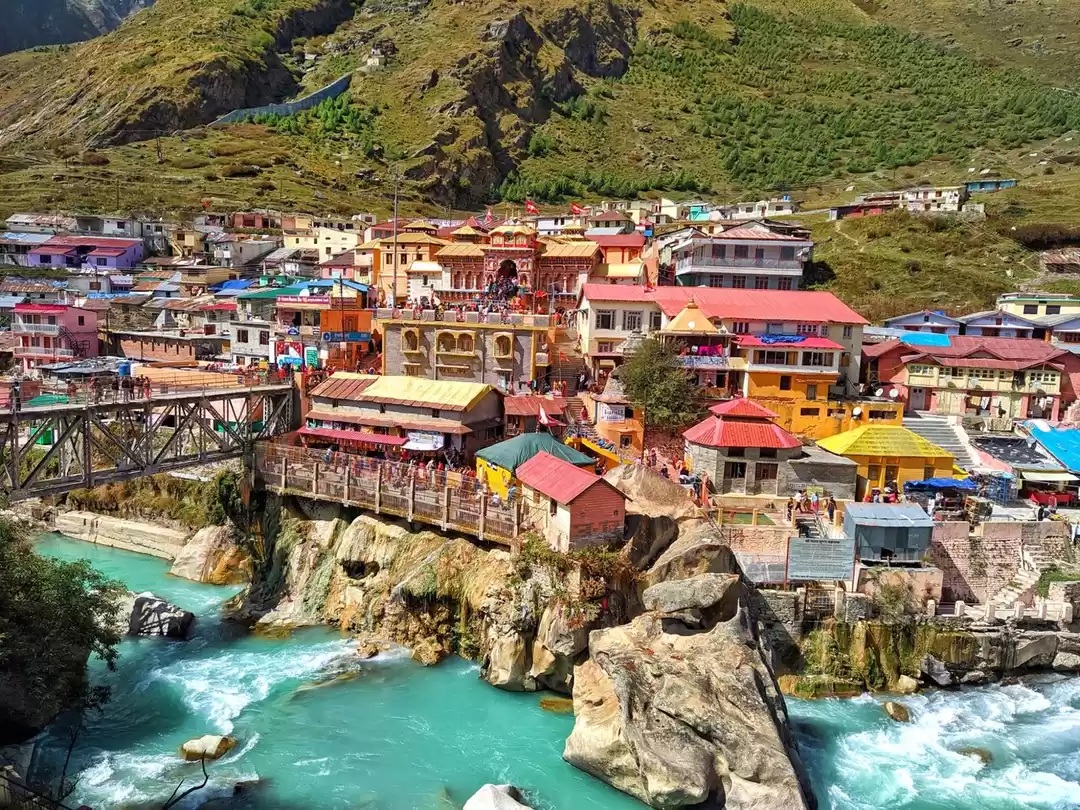
Mahavatar Babaji and Badrinath are closely connected in the spiritual literature of the Kriya Yoga tradition. In accounts associated with Autobiography of a Yogi and the Yogoda Satsanga Society of India, Babaji is described as a great yogi dwelling in the northern Himalayan region near Badrinarayan—the sacred town of Badrinath.
But an important distinction matters: Badrinath Temple is a public pilgrimage shrine dedicated to Lord Vishnu; it is not a guaranteed place to see Mahavatar Babaji in physical form. This guide explores the traditional connection, explains what devotees mean when they ask “how to see Mahavatar Babaji,” distinguishes Badrinath from the well-known Mahavatar Babaji Cave near Kukuchina in Kumaon, and offers practical guidance for a respectful Himalayan pilgrimage.
Spiritual accounts are presented as beliefs and traditions, not independently verifiable proof of a physical encounter. Check official travel information before setting out.
Explore this guide
Contents
- Mahavatar Babaji and Badrinath at a glance
- The connection between Babaji and Badrinath Temple
- Autobiography of a Yogi and Badrinarayan
- How can I see Mahavatar Babaji?
- Can you see Babaji physically at Badrinath?
- Badrinath Babaji and Mahavatar Babaji Cave
- Badrinath Temple: history and significance
- Places to visit around Badrinath
- Suggested pilgrimage itinerary
- How to reach Badrinath India
- Best time, altitude and preparation
- Pilgrimage etiquette
- Frequently asked questions
Start here
Mahavatar Babaji Badrinath: At a Glance
SPIRITUAL TRADITION
Babaji near Badrinarayan
Yogoda Satsanga Society of India describes Mahavatar Babaji as a deathless yogi associated with the northern Himalayan crags near Badrinarayan. This is a statement of the tradition’s spiritual understanding.
PILGRIMAGE
Badrinath Temple
Badrinath Temple is dedicated to Lord Vishnu and stands beside the Alaknanda River at approximately 3,133 metres above sea level. It forms part of Uttarakhand’s Char Dham pilgrimage.
KRIYA YOGA
Babaji Cave near Kukuchina
The cave most closely associated with Lahiri Mahasaya’s initiation into Kriya Yoga is in the Dunagiri area near Kukuchina in Kumaon—not inside Badrinath Temple.
The central question
What Is the Connection Between Mahavatar Babaji and Badrinath Temple?
The connection comes chiefly through the Kriya Yoga lineage and the writings that introduced Mahavatar Babaji to a worldwide readership. In the tradition presented by Yogoda Satsanga Society of India (YSS), Babaji is described as a great yogi living in the northern Himalayan region near Badrinarayan, another name associated with Badrinath. This places Babaji within the spiritual geography of the Himalayas around Badrinath in the tradition’s narrative.
It is important, however, not to turn this description into a claim that Babaji regularly appears at the Badrinath shrine, lives inside the temple, or can be seen there by following a particular route. The source describes a spiritual tradition, not a public schedule or visitor-accessible location where a meeting can be booked.
What the tradition says
- Mahavatar Babaji is revered as a great Himalayan yogi.
- He is linked to the revival and transmission of Kriya Yoga.
- Traditional accounts place him in the northern Himalayan crags near Badrinarayan.
- His role is understood spiritually through the guru-disciple lineage.
What visitors should not assume
- That Babaji can be found at a marked spot inside Badrinath Temple.
- That temple darshan guarantees a vision of Babaji.
- That local guides can guarantee a physical encounter.
- That the Badrinath shrine and Babaji Cave near Kukuchina are the same site.
Why Badrinath is relevant to Babaji seekers
Badrinath is one of the best-known sacred centres in the Garhwal Himalayas. Its remote setting, mountain environment and longstanding place in Hindu pilgrimage help explain why it occupies such a strong place in the imagination of people seeking spiritual depth in the Himalayas. For Kriya Yoga devotees, the traditional reference to Badrinarayan adds another layer of meaning—but it should be understood within the lineage’s own texts and beliefs.
The Badrinath Temple itself is dedicated to Lord Vishnu. Its established identity as a Vishnu shrine should remain clear even when discussing Babaji’s association with the wider Himalayan region.
Official background: YSS: Mahavatar Babaji and Uttarakhand Tourism: Badrinath.
Books and lineage
Mahavatar Babaji, Badrinarayan and Autobiography of a Yogi
For many readers, the most influential modern account of Mahavatar Babaji appears in Paramahansa Yogananda’s spiritual classic Autobiography of a Yogi. The book presents Babaji as a highly realised yogi connected with the Himalayan tradition of Kriya Yoga. Accounts of Babaji’s encounters with Lahiri Mahasaya and Sri Yukteswar became foundational stories for many Kriya Yoga practitioners.
YSS’s own overview describes Babaji as the guru who revived Kriya Yoga in 1861 by imparting it to Lahiri Mahasaya. The lineage is then commonly presented through Lahiri Mahasaya, Swami Sri Yukteswar and Paramahansa Yogananda. These details explain why Babaji is central to the tradition, while Badrinarayan is part of the Himalayan setting in which he is described.
Mahavatar Babaji
Revered in the tradition as the great yogi who renewed the transmission of Kriya Yoga for the modern era.
Lahiri Mahasaya
The householder yogi who, according to the lineage, received Kriya Yoga from Babaji and shared the practice with qualified students.
Yogananda
The author whose Autobiography of a Yogi brought the Babaji narrative and Kriya Yoga lineage to many readers internationally.
How to read these accounts carefully
For practitioners, the stories may be sacred testimony and a source of inspiration. For historical research, it is useful to distinguish what a tradition teaches from what can be independently documented. A respectful article can explain the belief in full without presenting a spiritual account as a universally verified historical event.
A sincere seeker’s question
How Can I See Mahavatar Babaji?
People searching “how can I see Mahavatar Babaji” or “how to see Mahavatar Babaji” may mean different things. Some hope to visit a sacred place connected with him; others want to experience his presence through meditation, prayer or Kriya Yoga. The answer depends on what “see” means to you.
1 · PILGRIMAGE
Visit places connected with the tradition
You can visit Badrinath as a sacred Himalayan pilgrimage and, separately, travel to the Mahavatar Babaji Cave near Kukuchina in the Dunagiri region. These journeys can deepen your understanding of the places associated with the tradition, but neither guarantees a personal encounter.
2 · SPIRITUAL PRACTICE
Study, pray and meditate
Devotees may approach Babaji through prayer, meditation and the teachings of their spiritual lineage. If you wish to learn Kriya Yoga, seek instruction through an established organisation or qualified teacher rather than relying on unverified online shortcuts.
3 · INNER EXPERIENCE
Keep expectations open
Spiritual traditions may describe an inner sense of guidance or grace. Such experiences are personal and cannot be promised, measured in advance or used as proof that a physical meeting has occurred.
A practical, respectful approach
- Clarify your intention. Are you travelling to Badrinath for Lord Vishnu’s darshan, to understand the Babaji tradition, or to visit the Babaji Cave? Each goal calls for a different plan.
- Study the source tradition. Read the relevant accounts in Autobiography of a Yogi and the explanations published by YSS or another lineage you trust.
- Build a steady practice. Set aside quiet time for meditation or prayer according to your own tradition. Avoid extreme fasting, sleep deprivation or risky practices in the mountains.
- Visit sacred places respectfully. Follow temple rules and local advice. Do not trespass or enter restricted areas in the hope of finding a hidden yogi.
- Do not pay anyone for a guaranteed darshan. No guide, tour operator or website can credibly promise that you will physically see Mahavatar Babaji.
Faith and practical reality
Can You See Mahavatar Babaji Physically at Badrinath Temple?
There is no public, verifiable schedule or recognised visitor procedure for meeting Mahavatar Babaji physically at Badrinath Temple. Stories of encounters belong to spiritual literature, devotees’ testimonies and individual belief. They should not be treated as a service that a pilgrimage or paid guide can deliver.
What you can plan
- Darshan at Badrinath Temple during its official operating season.
- Time for prayer, reflection and learning about the temple’s history.
- A separate visit to the Babaji Cave near Kukuchina, if access arrangements allow.
- Study of Kriya Yoga lineage literature and established instruction.
What cannot be promised
- A physical appearance of Babaji.
- A guaranteed vision during meditation.
- Access to a secret cave or restricted temple area.
- Proof of spiritual attainment based on a single experience.
It is possible to make a meaningful pilgrimage without having an extraordinary experience. Many people visit Badrinath for devotion to Lord Vishnu, the beauty of the Alaknanda valley and the discipline of pilgrimage itself. These are worthwhile reasons to travel, independent of whether you subscribe to the Babaji tradition.
Two places, different regions
Badrinath Babaji and Mahavatar Babaji Cave: What Is the Difference?
The terms “Badrinath Babaji” and “Mahavatar Babaji Cave” are sometimes mixed together in online searches. It helps to separate the traditional geographic description of Babaji from the specific cave pilgrimage in Kumaon.

| Place or idea | Where it is | Why it matters | What a traveller should know |
|---|---|---|---|
| Badrinath Temple | Badrinath town, Chamoli district, Garhwal Himalayas | Major temple dedicated to Lord Vishnu; part of Uttarakhand’s Char Dham | Seasonal access; follow official registration and temple guidance. |
| Babaji near Badrinarayan | A description in the Kriya Yoga spiritual tradition of the northern Himalayan region near Badrinath | Part of the traditional account of Mahavatar Babaji | Not a publicly mapped location where a meeting can be arranged. |
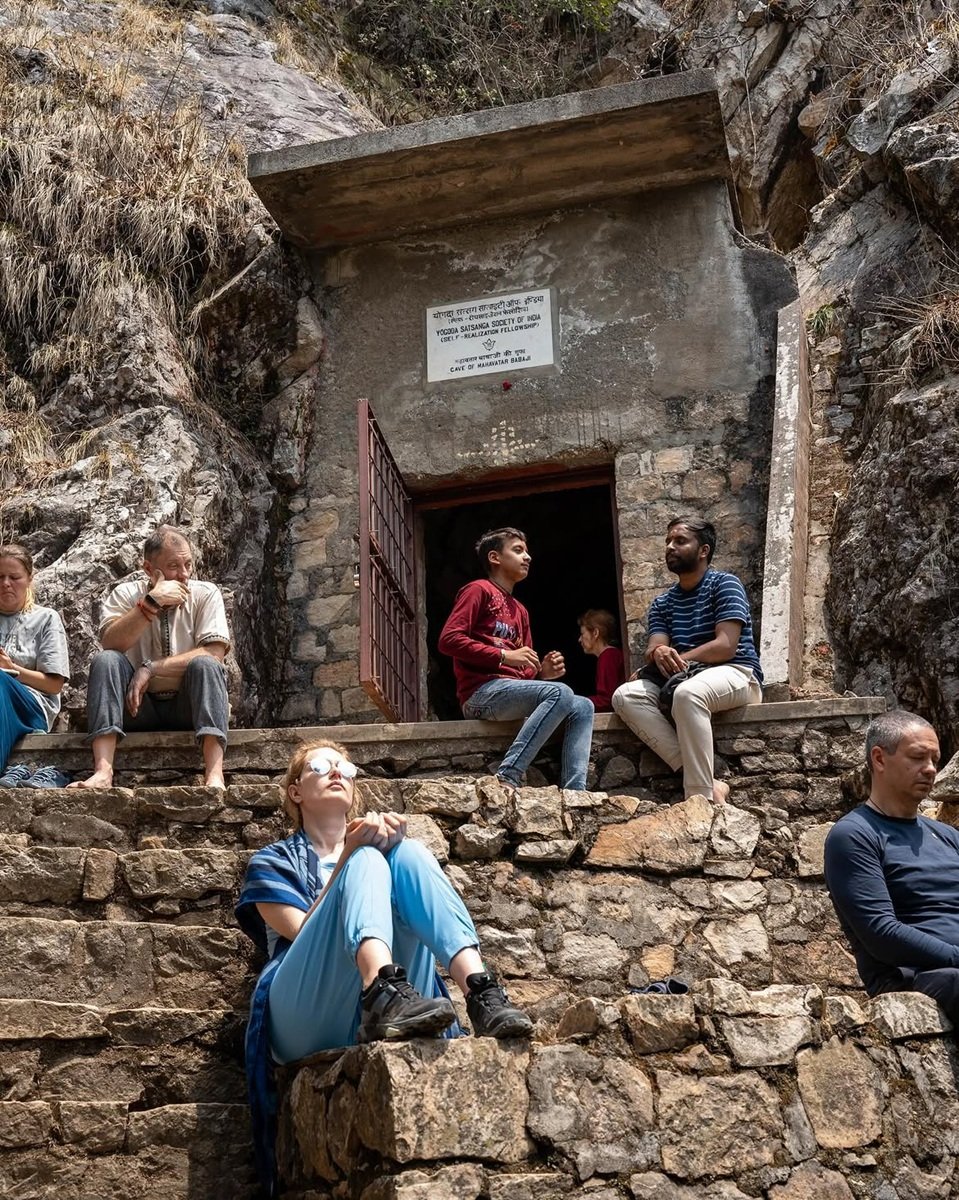
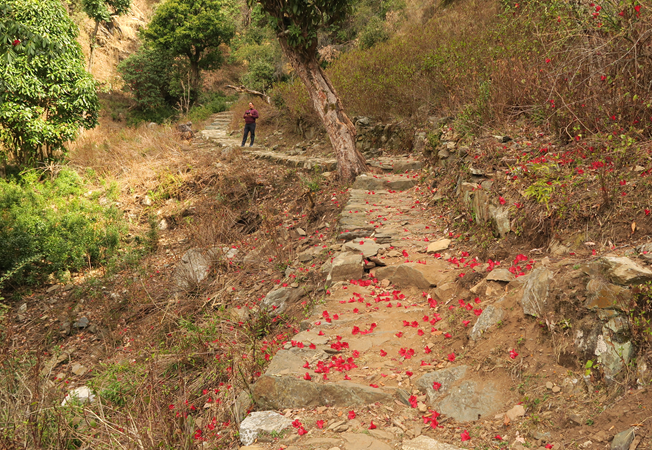
| Mahavatar Babaji Cave | Near Kukuchina in the Dunagiri area of Kumaon, Uttarakhand | Associated by the Kriya Yoga tradition with Babaji’s initiation of Lahiri Mahasaya | Reached by road to the local access area and then on foot; verify current arrangements. |
Why the cave is important to Kriya Yoga devotees
YSS describes Mahavatar Babaji’s Cave in the Dunagiri mountains as the place associated with Babaji initiating Lahiri Mahasaya into Kriya Yoga in 1861. For that reason, the cave is an important pilgrimage destination for many practitioners. It is not located within the Badrinath temple complex, and the two sites should not be presented as interchangeable.
If your main purpose is to visit the cave, plan for the Kumaon region near Dwarahat and Kukuchina. If you want to visit Badrinath Dham, plan for the Garhwal Himalayas. A wider Uttarakhand pilgrimage can include both, but requires multiple days and realistic road planning.
Badrinath Dham, India
Badrinath Temple: History, Importance and Spiritual Significance
Badrinath Temple, also called Badrinarayan Temple, stands in the Garhwal Himalayas beside the Alaknanda River at an altitude of roughly 3,133 metres. It is dedicated to Lord Vishnu and is one of the four pilgrimage destinations in Uttarakhand’s Char Dham Yatra. The temple’s dramatic mountain setting, centuries of worship and seasonal opening make it one of northern India’s best-known sacred destinations.
Lord Vishnu and Badri
The temple’s devotional identity centres on Lord Vishnu. Traditional stories connect the area with Vishnu’s meditation and the protective symbolism of the Badri tree.
Char Dham pilgrimage
Badrinath is one of Uttarakhand’s four Char Dham shrines, alongside Yamunotri, Gangotri and Kedarnath. Pilgrims commonly plan the journey around the seasonal opening.
Alaknanda valley
The river, high mountains and cold climate form part of the experience. At this altitude, visitors should take their time and prepare for changing weather.
Temple history and tradition
Official tourism summaries commonly associate the establishment of the temple with Adi Shankaracharya in the early medieval period, while the site’s sacred stories are much older in Hindu tradition. As with many ancient shrines, mythology, devotional memory and the history of the present structure are different strands of its story.
Important sites near the temple
- Tapt Kund: A natural hot spring near the temple that is traditionally associated with ritual purification. Follow current local guidance on access and bathing.
- Brahma Kapal: A riverside ritual area where many families perform rites for ancestors.
- Mana Village: A well-known settlement near Badrinath, often visited as part of a local sightseeing trip when access permits.
- Vyas Gufa and Ganesh Gufa: Sites in the Mana area associated with stories about the composition of the Mahabharata.
- Bhim Pul and the Saraswati River area: Popular local points of interest whose access depends on conditions and local arrangements.
For current access and registration, consult Tourist Care Uttarakhand and the official Uttarakhand Tourism Badrinath guide.
Explore the region
Places to Visit Around Badrinath, India
If you are travelling to Badrinath for spiritual reasons, give the surrounding landscape enough time. The following places are commonly included in the Badrinath area, but not every stop is suitable for every schedule or weather condition.
MAIN PILGRIMAGE
1. Badrinath Temple
Begin with the main shrine dedicated to Lord Vishnu. Confirm darshan arrangements, queues and temple timings locally.
RITUAL SITE
2. Tapt Kund
A hot spring close to the temple. Follow local safety instructions and do not assume bathing conditions are suitable for everyone.
VILLAGE CULTURE
3. Mana Village
Explore the village and nearby cultural sites when open. Respect residents and any access restrictions.
SACRED STORIES
4. Vyas Gufa
A cave site near Mana associated with the sage Vyasa and the Mahabharata tradition.
RIVER LANDSCAPE
5. Saraswati River area
See the dramatic river landscape near Mana where local access and weather allow. Stay away from unsafe river edges.
WIDER PILGRIMAGE
6. Joshimath
A major town on the route to Badrinath and a useful place to plan overnight stays, transport and other regional visits.
Planning a pilgrimage
Suggested Itinerary: Badrinath Temple and Mahavatar Babaji Cave
Combining Badrinath in Garhwal with Mahavatar Babaji Cave near Kukuchina in Kumaon is a substantial road journey across Uttarakhand. Do not plan it as a quick side trip. The exact route, overnight stops and road conditions determine how many days you need.
Option A · 2–3 days
Badrinath-focused pilgrimage
Travel to Badrinath via the agreed road route, allow time for temple darshan and selected nearby sites, then return or continue to your next destination. This option focuses on Badrinath and does not include the Babaji Cave in Kumaon.
Option B · Multi-day Uttarakhand journey
Badrinath plus Mahavatar Babaji Cave
Plan the Garhwal pilgrimage first, then allow a separate transfer day or appropriately paced road journey toward Dwarahat and Kukuchina in Kumaon. Visit the cave only after confirming current access and walking arrangements. Consider an overnight stay near the cave area rather than attempting a rushed return.
Option C · Spiritual study trip
Combine pilgrimage with study and meditation
In addition to visiting the sites, set aside time to read the relevant Kriya Yoga accounts, reflect quietly and learn from established teachers. Avoid treating a particular place or experience as a test of spiritual progress.
How many days do you need?
There is no single correct duration. A Badrinath-only visit can fit into a shorter itinerary depending on where you start, while adding the Babaji Cave requires significant travel between regions and time for the cave walk. For a comfortable combined trip, get a route-specific quotation from a local operator and include contingency time for mountain traffic, weather, seasonal closures and rest.
Transport and access
How to Reach Badrinath India
By road
Badrinath is reached by mountain road via the Rishikesh–Devprayag–Rudraprayag–Joshimath corridor or another route advised for current conditions. Travel time varies widely with departure point, traffic, weather, roadwork and stops. Confirm road status before departure.
By train
Haridwar and Rishikesh are commonly used rail access points for onward road travel. The closest practical rail option depends on your train schedule and current services. Arrange a road transfer and avoid tight connections.
By air
Jolly Grant Airport near Dehradun is commonly used for onward travel into the Garhwal region, subject to flight availability and road connections. Helicopter and other services can have separate rules and schedules.
Registration
Check the current Char Dham registration requirements, official notices and any vehicle or route rules through Tourist Care Uttarakhand before travelling.
Travelling onward to Babaji Cave
Mahavatar Babaji Cave is in the Kumaon region near Kukuchina and Dwarahat, far from Badrinath in terms of mountain-road travel. Do not assume a direct, short transfer or a same-day return will be practical. Confirm the route and current cave access with a local contact, allow time for walking, and plan an overnight stay if the schedule is tight.
Season and altitude
Best Time to Visit Badrinath and Prepare for the Himalayas
Badrinath is a high-altitude pilgrimage destination that normally operates seasonally. The temple typically opens in spring and closes in autumn or early winter, with dates announced for each year. Never rely on a generic calendar alone: confirm official dates and travel conditions for your intended visit.
Spring
Temple season begins around this period in many years. Temperatures can be cold, and opening dates should be checked officially.
Summer
A popular pilgrimage period. Expect crowds and book transport and accommodation early where possible.
Monsoon
Rain may affect mountain roads, visibility and journey times. Keep plans flexible and check advisories.
Autumn
Often a beautiful period for mountain scenery, but the temple’s closing date approaches. Confirm the season before travelling.
Altitude and personal preparation
Badrinath is around 3,133 metres above sea level. Some visitors may feel breathless or unwell at altitude. Take time to acclimatise, avoid overexertion, keep warm and seek medical advice if you have health concerns before high-altitude travel. If you develop severe breathlessness, confusion or other alarming symptoms, seek urgent local medical assistance.
What to pack
- Warm layers, including a windproof jacket.
- Comfortable shoes with good grip.
- Rain protection and sun protection.
- Water and any personal medicines you normally use.
- Identification and any required pilgrimage registration details.
- Offline maps, a charged phone and emergency contacts.
- Cash for small purchases where digital payments may not be available.
Respectful travel
How to Visit Badrinath as a Spiritual Seeker
At Badrinath Temple
- Follow temple instructions, darshan rules and local customs.
- Dress respectfully and be patient during queues.
- Ask before photographing people or restricted spaces.
- Do not obstruct worshippers or temple staff.
When studying Babaji
- Read primary lineage sources and note when a statement is a belief or testimony.
- Do not pay for promises of a guaranteed appearance or secret access.
- Avoid trespassing, unsafe climbing or following strangers to isolated places.
- Choose established instruction for Kriya Yoga rather than unverified techniques.
For the local environment
- Carry rubbish back with you.
- Respect local residents and other pilgrims.
- Stay away from unstable slopes and dangerous river edges.
- Support local services fairly and confirm costs before booking.
For your own expectations
- Let the pilgrimage be meaningful even if nothing unusual happens.
- Do not interpret every coincidence as proof of a physical encounter.
- Keep a balanced routine of rest, food and hydration.
- Respect other people’s beliefs and your own boundaries.
Final reflection
Mahavatar Babaji and Badrinath: A Pilgrimage of Faith, Study and Patience
The phrase Mahavatar Babaji Badrinath brings together two powerful strands of Himalayan spirituality: the living pilgrimage tradition centred on Badrinath Temple and the Kriya Yoga lineage’s account of Babaji as a great yogi associated with the northern Himalayan region near Badrinarayan. Understanding the difference between a sacred geographical association and a guaranteed physical encounter is essential for an honest travel guide.
If you wish to see Mahavatar Babaji, begin by studying the tradition, practising prayer or meditation in a grounded way, and visiting places that are genuinely connected with the stories—without expecting a particular result. Badrinath offers a profound pilgrimage in its own right, dedicated to Lord Vishnu. The Mahavatar Babaji Cave near Kukuchina is a separate destination with a specific place in Kriya Yoga history. Both can be part of a wider spiritual journey through Uttarakhand when planned carefully.
Search questions answered
FAQs: Mahavatar Babaji, Badrinath and How to See Babaji
How can I see Mahavatar Babaji?
There is no verified public method to guarantee a physical sighting of Mahavatar Babaji. Within the Kriya Yoga tradition, devotees may seek him through prayer, meditation, spiritual study and guidance from established teachers. Visiting Badrinath or Babaji Cave does not guarantee an encounter.
How to see Mahavatar Babaji in the Himalayas?
You can visit sacred sites associated with his tradition, including Badrinath as a pilgrimage destination and the separate Mahavatar Babaji Cave near Kukuchina in Kumaon. Treat these as spiritual and historical visits, not guaranteed meetings.
What is the connection between Mahavatar Babaji and Badrinath Temple?
Yogoda Satsanga Society of India describes Babaji as a great yogi associated with the northern Himalayan crags near Badrinarayan. This is a traditional spiritual association; it does not mean Babaji is known to appear at Badrinath Temple on a public schedule.
Is Mahavatar Babaji inside Badrinath Temple?
Badrinath Temple is a shrine dedicated to Lord Vishnu. There is no verified public information identifying it as a place where visitors can meet Mahavatar Babaji physically.
Is Badrinath the same place as Mahavatar Babaji Cave?
No. Badrinath Temple is in the Garhwal Himalayas. The cave associated by the Kriya Yoga tradition with Babaji and Lahiri Mahasaya is near Kukuchina in the Dunagiri region of Kumaon.
Where is Mahavatar Babaji Cave located?
The commonly visited Mahavatar Babaji Cave is near Kukuchina village in the Dunagiri area near Dwarahat, Uttarakhand. Visitors should confirm current access and walking arrangements with local sources or the relevant YSS/SRF centre.
Why is Mahavatar Babaji associated with Badrinarayan?
In the Kriya Yoga tradition and related spiritual literature, Babaji is described as dwelling in the northern Himalayan crags near Badrinarayan. This is a religious-literary account rather than a publicly verifiable address.
Can I see Mahavatar Babaji if I meditate at Badrinath?
Meditation may be meaningful to you, but no particular experience can be promised. Devotional experiences are personal and should not be treated as proof that a physical meeting has occurred.
Who introduced Mahavatar Babaji to many modern readers?
Paramahansa Yogananda’s book Autobiography of a Yogi introduced Mahavatar Babaji’s story to many readers worldwide. YSS also publishes background on Babaji and the Kriya Yoga lineage.
What is Babaji’s connection with Kriya Yoga?
According to the YSS tradition, Babaji revived Kriya Yoga in 1861 by imparting it to Lahiri Mahasaya. The lineage is commonly described through Lahiri Mahasaya, Swami Sri Yukteswar and Paramahansa Yogananda.
Is Badrinath Temple open all year?
No. Badrinath is a seasonal high-altitude temple that generally closes during winter. Check the official annual opening and closing announcements and current road advisories before planning travel.
What is the altitude of Badrinath?
Badrinath Temple is situated at approximately 3,133 metres above sea level. Prepare for cold weather and take altitude-related symptoms seriously.
Can I visit Badrinath and Babaji Cave in one trip?
Yes, with a multi-day itinerary and realistic transfers. The two destinations are in different regions of Uttarakhand, and the cave visit also requires a walk. Confirm road conditions, local access and overnight stops before setting out.
Can a guide guarantee a meeting with Mahavatar Babaji?
No credible guide or operator can guarantee a physical encounter with Babaji. Be cautious of anyone requesting money in exchange for a guaranteed darshan or secret access.
Where can I verify official Badrinath travel information?
Use the official Uttarakhand Tourism Badrinath page and the Tourist Care Uttarakhand registration portal. Check current opening dates, registration rules, weather and road advisories close to your travel date.
Plan your Himalayan journey
Explore Badrinath Dham and the Mahavatar Babaji Tradition
Before planning a pilgrimage, confirm Badrinath’s seasonal opening, official registration requirements, road conditions and any arrangements needed for a separate visit to Mahavatar Babaji Cave near Kukuchina. Build in enough time for mountain travel and avoid any tour that promises a guaranteed supernatural encounter.
Information is for general planning. Temple dates, registration rules, road access, weather and cave arrangements can change; verify current details before travel.
Sources and further reading
Reliable Sources for Mahavatar Babaji and Badrinath
- Yogoda Satsanga Society of India: Mahavatar Babaji — the organisation’s explanation of Babaji and his place in the Kriya Yoga tradition.
- YSS: The Deathless Kriya Yoga Guru, Mahavatar Babaji — further discussion of the lineage and Himalayan setting.
- Uttarakhand Tourism: Badrinath — official destination overview and seasonal travel context.
- Tourist Care Uttarakhand — official pilgrimage registration information.
- Incredible India: Badrinath Temple — additional tourism background on the temple and nearby sites.
This article distinguishes the claims of a spiritual tradition from practical travel facts. The traditional account of Babaji is presented respectfully without promising a physical sighting or treating faith-based claims as independently verified facts.