
Ranikhet to Mahavatar Babaji Cave: Distance, Route and Travel Guide
Ranikhet is known for its pine-covered hills, open mountain views and unhurried atmosphere. For people interested in Kriya Yoga, the town also has a place in a much-loved spiritual story: the traditional account of Lahiri Mahasaya’s meeting with Mahavatar Babaji in the Himalayan region.
If you are planning to visit the cave near Kukuchina, this guide will help you understand the journey from Ranikhet, what to expect on the road and why this part of Uttarakhand matters to spiritual seekers.
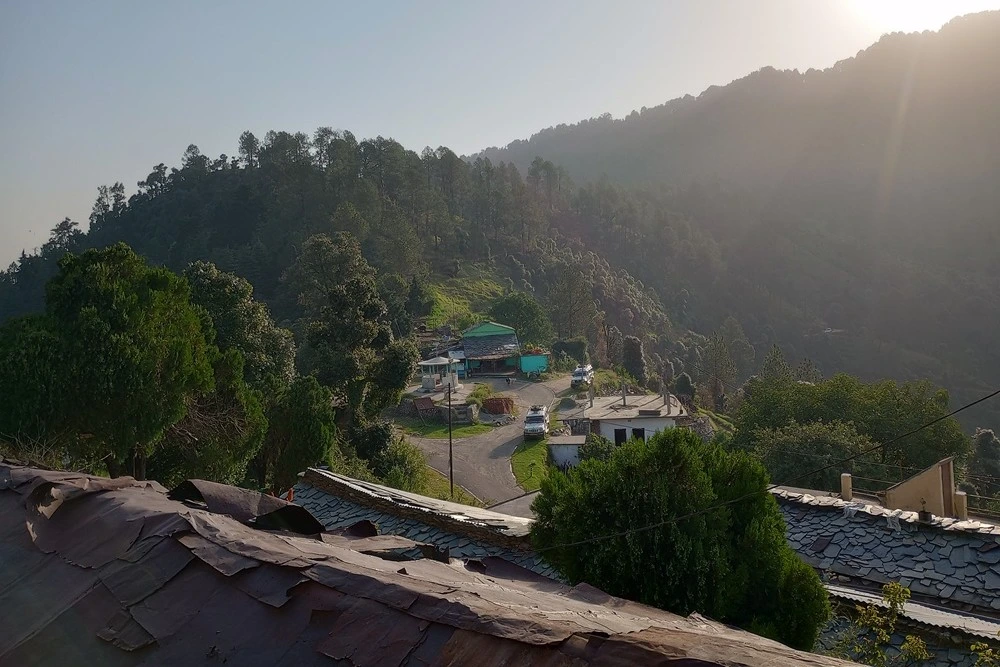
These are planning estimates, not guaranteed travel times. The exact distance depends on your starting point and the road endpoint available on the day. Confirm the current route and walking conditions locally.
Ranikhet to Mahavatar Babaji Cave Distance
The road journey from Ranikhet to Mahavatar Babaji Cave is generally made via Dwarahat and onward to Kukuchina, the village commonly used as the starting area for the cave walk. For planning purposes, allow roughly 55–60 kilometres by road from Ranikhet to Kukuchina. The actual distance can vary according to where you start in Ranikhet and the route your driver takes.
Reaching Kukuchina is only part of the journey. From the local access point, visitors continue uphill on foot to the cave. Your total journey will depend on the trail conditions, your walking pace and how much time you want to spend at the cave.
How to Reach Mahavatar Babaji Cave from Ranikhet
A private taxi is often the simplest choice for a day visit because it gives you flexibility over your departure and return time. Public transport may be available for parts of the journey, but connections can be limited, so check timings before relying on them.
- Ranikhet to Dwarahat: Travel through the Kumaon hills towards Dwarahat.
- Dwarahat to Kukuchina: Continue by road towards Kukuchina. Confirm the current road endpoint and local access conditions before leaving.
- Walk to the cave: From the trail starting area, continue uphill on foot. Ask your host or a local person to point out the correct path if this is your first visit.
- Return with daylight remaining: Keep time in hand for the downhill walk and the drive back to Ranikhet.
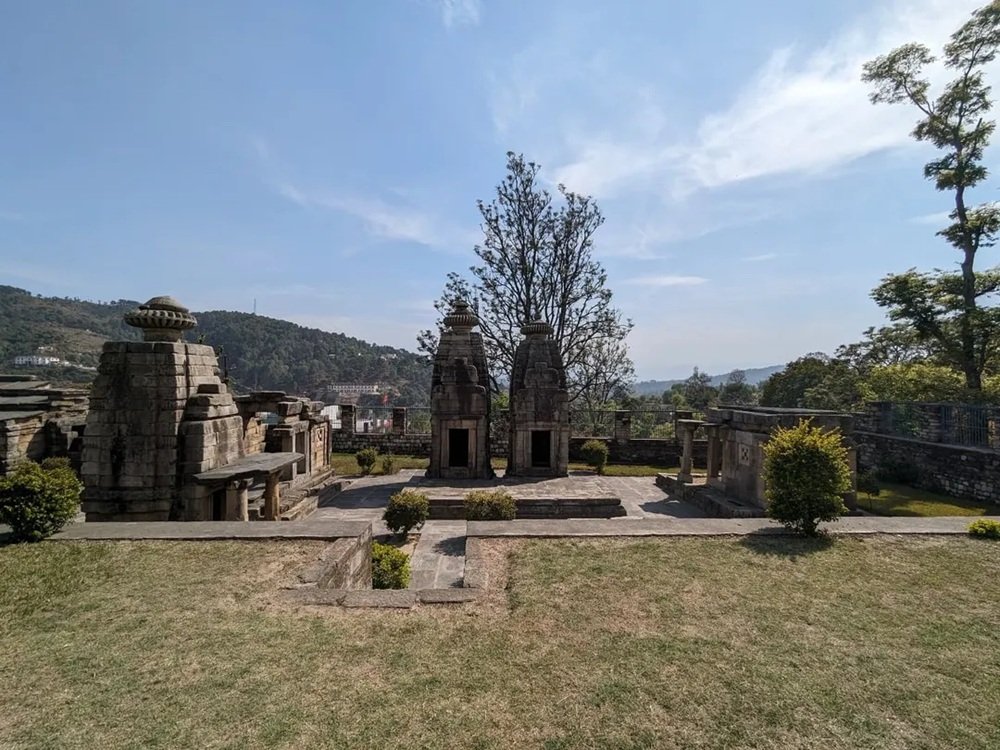
Before departure
- Confirm the route and road access.
- Check the weather forecast.
- Arrange your return transport.
On the way
- Carry water and a small snack.
- Wear shoes with a reliable grip.
- Allow time for breaks and the return walk.
Ranikhet, Lahiri Mahasaya and the Story of Mahavatar Babaji
For many visitors, Ranikhet is first a hill station: a place for fresh air, forest walks and views of the Kumaon mountains. For followers of Kriya Yoga, the area has another meaning because of the traditional story connecting Lahiri Mahasaya with Mahavatar Babaji.
Lahiri Mahasaya, whose given name was Shyama Charan Lahiri, lived as a householder and worked for the British government. In the traditional account, an official posting brought him to the Ranikhet region when he was about 33 years old. He had a family and professional duties, yet he also felt a strong interest in spiritual life and the possibility of direct inner experience.
The story says that, while walking in the Himalayan hills, Lahiri Mahasaya heard someone calling his name. Following the voice, he came upon a cave where a yogi was waiting for him. The yogi was Mahavatar Babaji, whom Lahiri Mahasaya came to recognise as his guru. The account describes the meeting as a reunion rooted in a spiritual connection from a previous life.
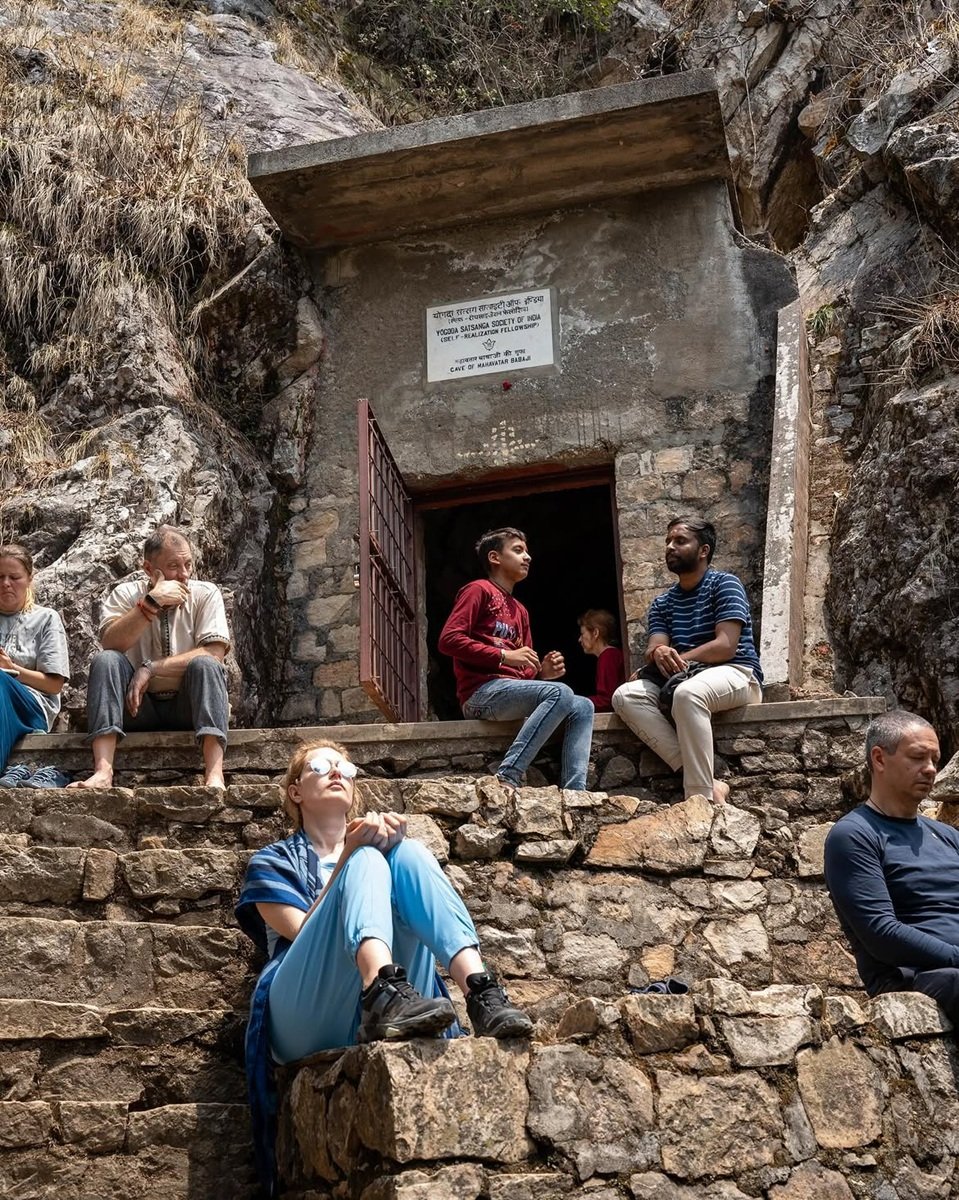
These details belong to the spiritual tradition surrounding Lahiri Mahasaya and are not the kind of event that can be verified like a modern travel record. They remain deeply meaningful to devotees who visit the region to learn about the story and reflect on its message.
The Connection Between Ranikhet and Kriya Yoga
According to the Kriya Yoga tradition, Mahavatar Babaji initiated Lahiri Mahasaya into Kriya Yoga during their meeting in the Himalayan region. The experience is remembered as a turning point in Lahiri Mahasaya’s spiritual life and in the later sharing of these teachings with householders.
The story also explains why Lahiri Mahasaya did not remain in the mountains with his guru. In the traditional account, Babaji asked him to return to his family and continue his work, while sharing the practice with sincere seekers. The message was significant: spiritual discipline did not have to mean abandoning everyday responsibilities.
Lahiri Mahasaya later became an important teacher in the Kriya Yoga lineage. His life continues to inspire people who want to make room for meditation while remaining involved in family, work and community life.
For visitors, the connection between Ranikhet, Lahiri Mahasaya and Mahavatar Babaji offers more than a historical point of interest. It invites reflection on how a spiritual practice can become part of ordinary life, rather than something separate from it.
Can You Visit Babaji Cave from Ranikhet in One Day?
A same-day visit may be possible if you leave early, the weather is suitable and road and trail conditions are good. However, the trip includes the drive in both directions, the uphill and downhill walk, and time at the cave. Avoid planning it so tightly that a delay leaves you returning after dark.
If you would like a slower visit or more time for meditation, consider staying nearer to Kukuchina or Dwarahat. Confirm accommodation and meal arrangements ahead of time, as facilities in the hills can be limited.
Best Time to Visit Mahavatar Babaji Cave
March to June and September to November are commonly considered useful periods to plan a visit, but no season guarantees perfect conditions. Weather in the mountains can change quickly, and the final walk should always be planned around the conditions on the day.
Spring and summer
Start early, carry drinking water and be prepared for warmer conditions on exposed parts of the walk.
Monsoon and winter
Rain can make paths slippery, while winter brings cold conditions. Check local advice before starting and avoid a trail that feels unsafe.
What to Carry for the Cave Walk
- Comfortable walking or trekking shoes with a good grip.
- Drinking water and a light snack.
- A rain jacket and an extra layer appropriate to the weather.
- Personal medicines and a charged phone.
- A walking stick if you need extra support on uneven ground.
- A small bag to carry your belongings and take rubbish back with you.
Please respect the quiet atmosphere of the site and other visitors who come for prayer or meditation. If you are unfamiliar with the route, ask a local person to confirm the path before setting off.
Frequently Asked Questions
What is the distance from Ranikhet to Mahavatar Babaji Cave?
For planning, the road journey to Kukuchina is roughly 55–60 km from Ranikhet, followed by an uphill walk to the cave. The exact distance depends on your starting point and the accessible road endpoint.
How long does it take to reach Babaji Cave from Ranikhet?
The drive is often estimated at around 2–3 hours, but this varies with road conditions and stops. You must allow additional time for the uphill walk, the visit and the return journey.
Is Mahavatar Babaji Cave in Ranikhet?
No. The cave is near Kukuchina in the Dunagiri hills of Uttarakhand. Ranikhet is a separate hill station and can be used as a starting point for the journey.
What is the connection between Ranikhet and Lahiri Mahasaya?
In the Kriya Yoga tradition, Lahiri Mahasaya was posted to the Ranikhet region when he met Mahavatar Babaji in the Himalayan mountains. The story is central to the spiritual importance of the area for many devotees.
Can I return to Ranikhet on the same day?
It may be possible with an early start and suitable conditions. Allow enough time for both drives, the walk in both directions and time at the cave. Avoid rushing the return journey.
Is the cave walk suitable for everyone?
The final approach is an uphill mountain walk, so difficulty depends on fitness, weather and trail conditions. Wear suitable shoes, ask locally about the route and do not continue if the path feels unsafe.