
Mahavatar Babaji Cave from Delhi: A 7-Day Himalayan Journey
Follow the quieter roads of Kumaon to a cave revered by Kriya Yoga practitioners. This carefully paced journey brings together sacred places, mountain landscapes and time for reflection—without treating a meaningful pilgrimage as a checklist.
For spiritual travellers, couples and small private groups • Route and timing estimates should be reconfirmed locally
Explore the Cave, Meditation and Sacred Kumaon
A curated visual guide to the pilgrimage. Each image sits inside a bordered, captioned card with descriptive alt text to support accessibility and image SEO.
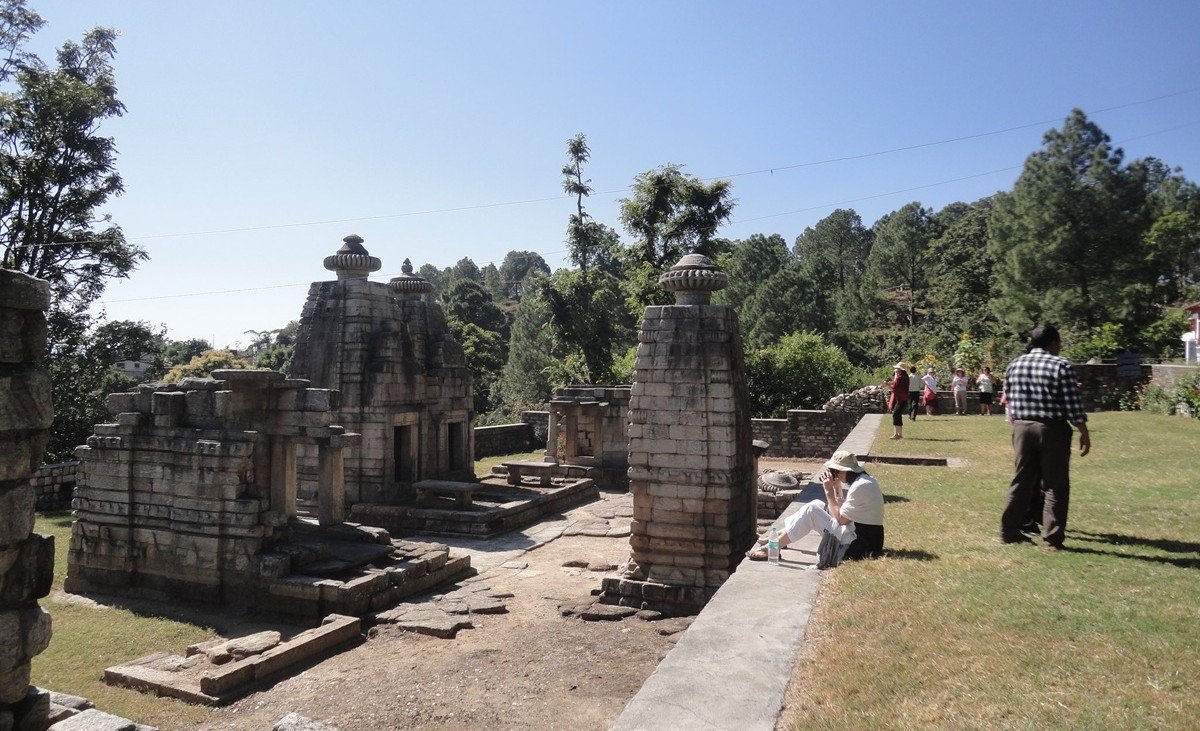
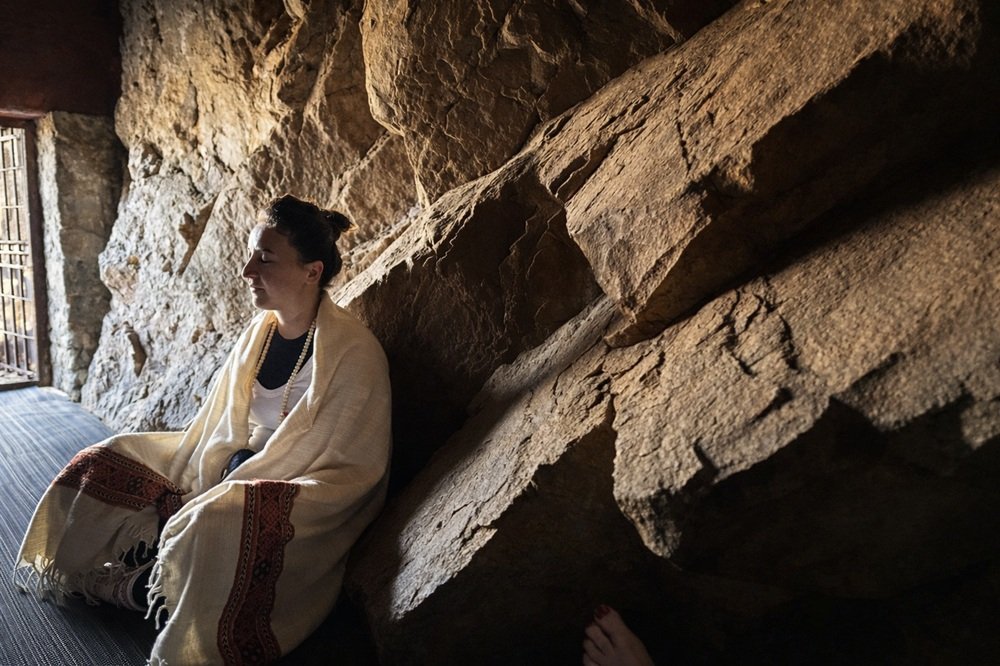
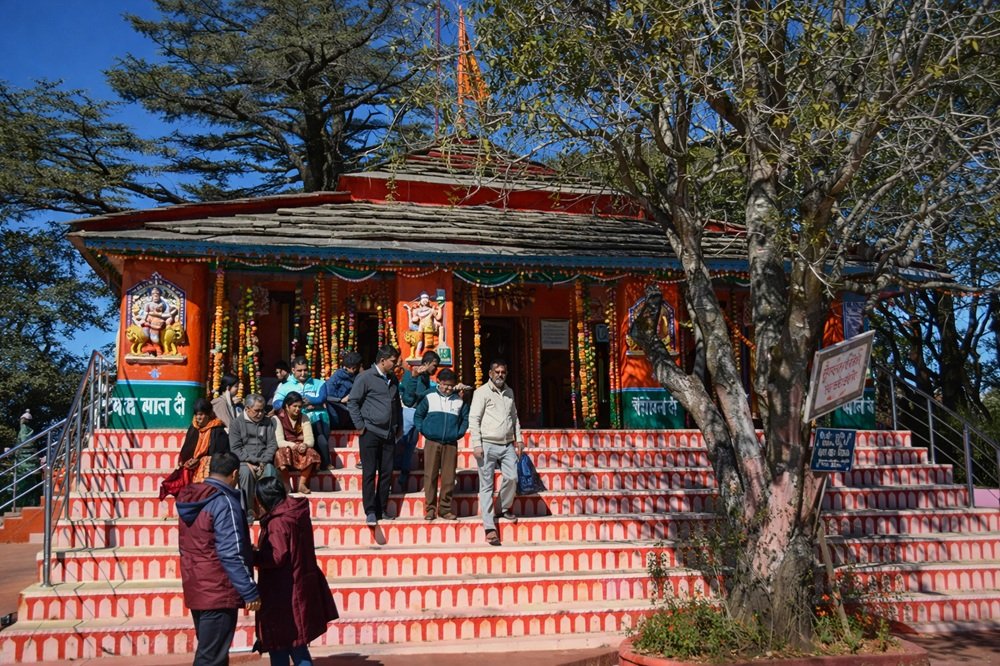
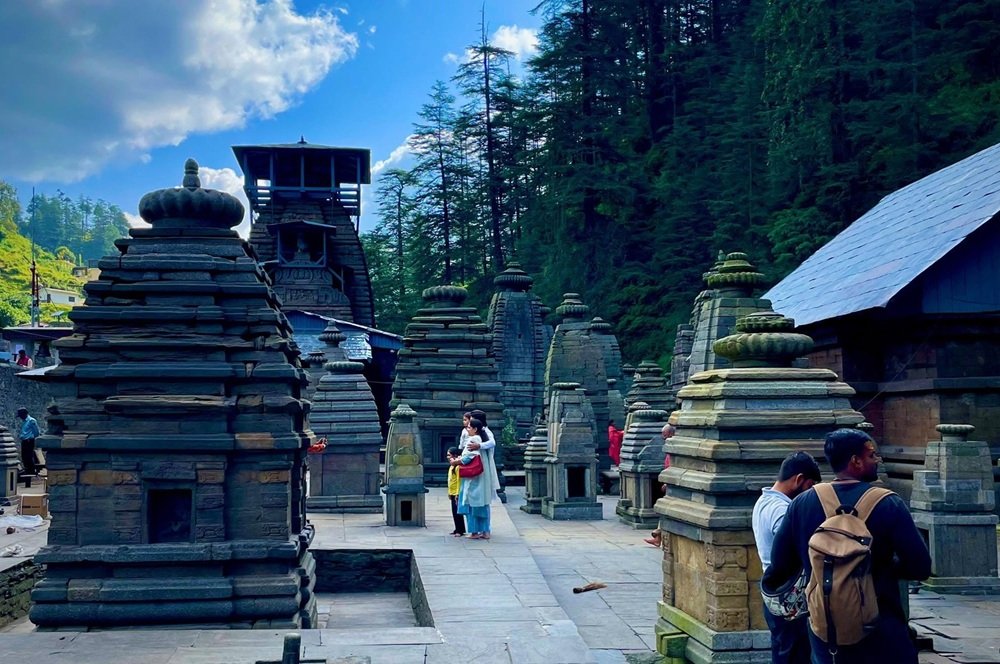
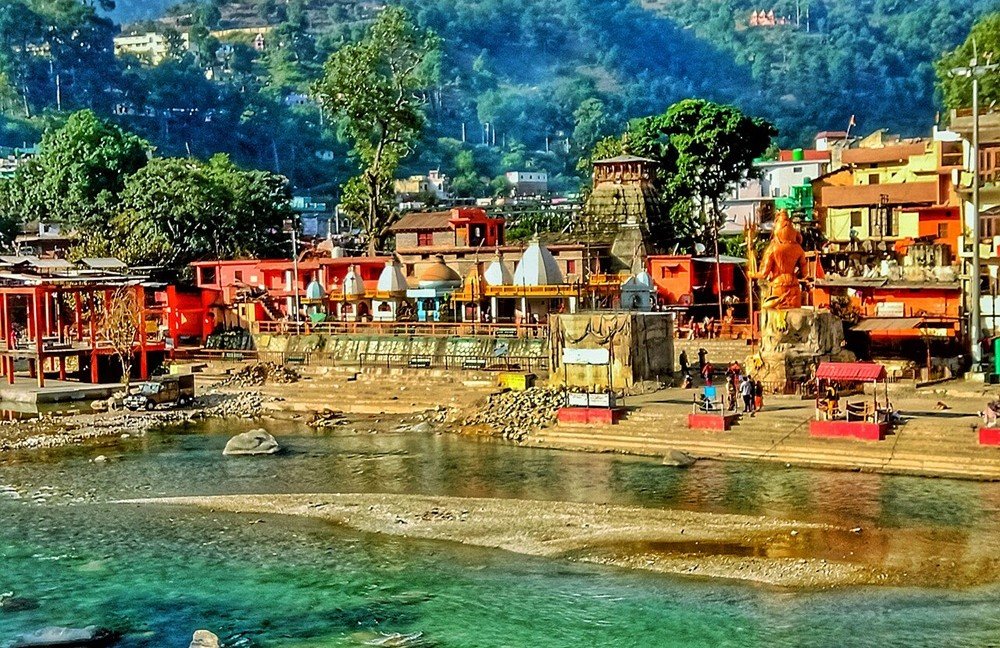
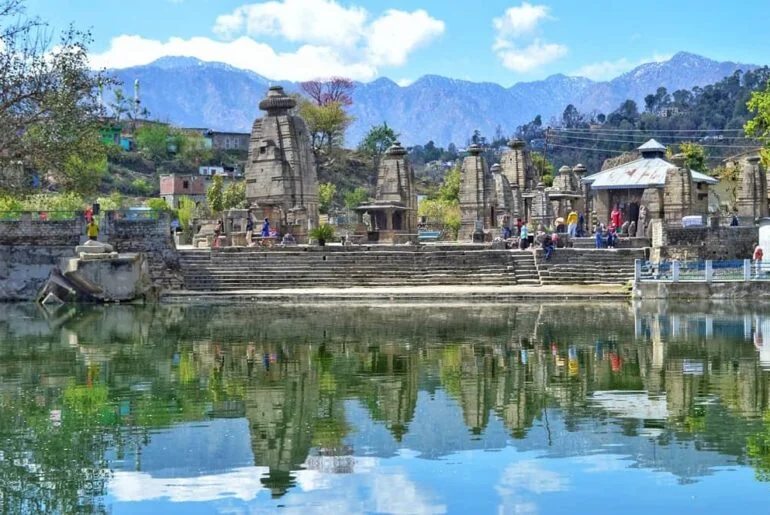
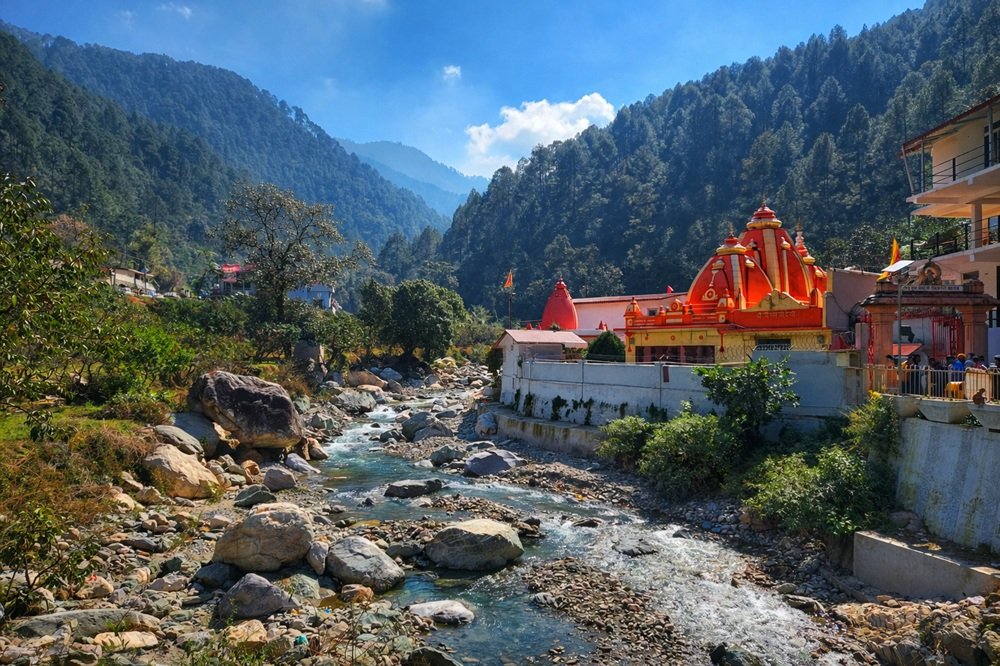
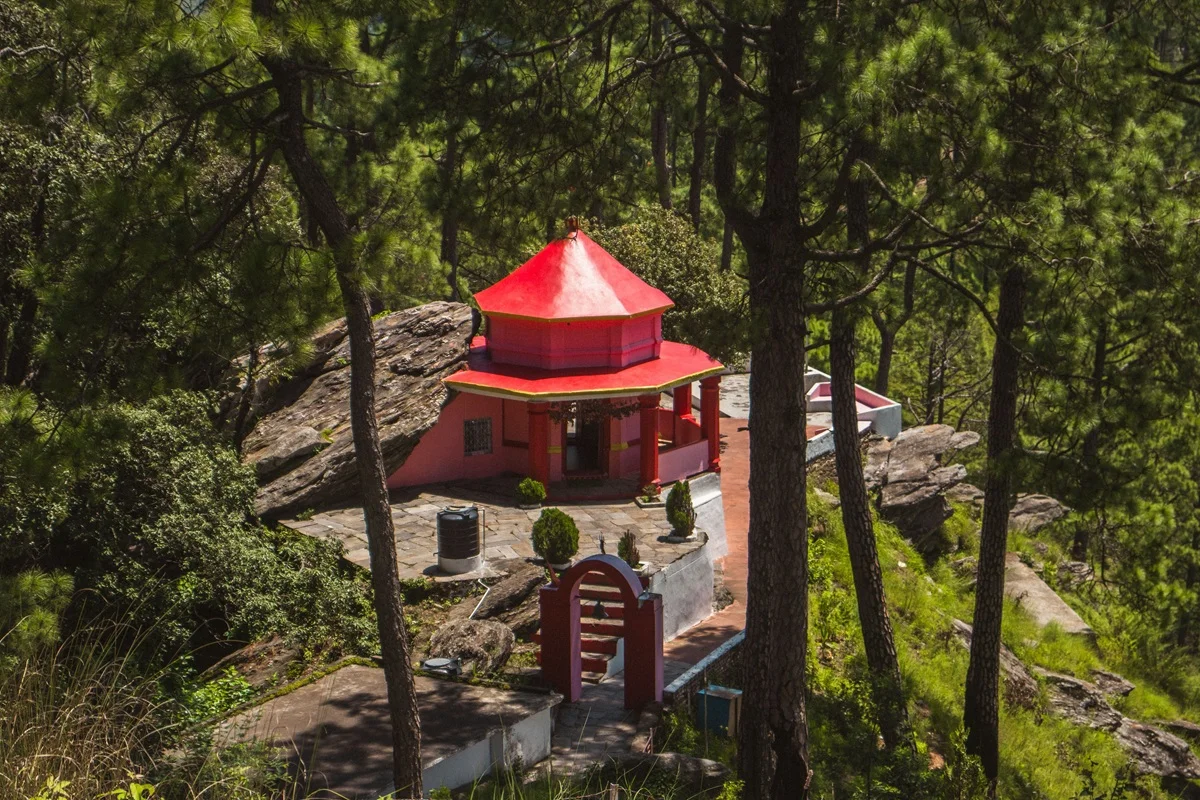
Where is Mahavatar Babaji Cave?
Mahavatar Babaji Cave is near Kukuchina village in the Dwarahat region of Almora district, Uttarakhand. It sits on Pandukholi Mountain in the Kumaon Himalayas. Dwarahat is the nearest major town for arranging transport, accommodation and supplies; Kukuchina is the usual road-access point before the final walk.
The cave is associated in Kriya Yoga tradition with the account of Mahavatar Babaji initiating Lahiri Mahasaya in 1861. The story is widely known through Paramahansa Yogananda’s Autobiography of a Yogi. Visitors arrive with different beliefs and motivations, and the site is best approached with quietness and respect.
Distance, driving time and the final trek
Mountain distances can be misleading: a relatively short section may take time because of winding roads, weather, traffic and stops. Use these figures for early planning, then confirm the exact route with your driver close to departure.
Indicative travel-time comparison
Bars compare approximate time ranges visually, not distance or guaranteed travel duration. The cave walk excludes rest, time at the site and the return descent.
Road route in broad strokes
The road distance from Delhi to the cave region is roughly 350–400 km depending on the chosen route and starting point. A direct drive can take around 9–12 hours or more, before the final walk. A seven-day itinerary breaks the journey into more comfortable stages.
Other options: Take a train towards Kathgodam or Haldwani and arrange onward road transport, or check current flights to Pantnagar and onward transfer availability.
Planning your transport? Read our detailed guide on how to reach Babaji Cave from Delhi or Kathgodam for more route-planning information.
A pilgrimage shaped by stillness, not spectacle
For followers of Kriya Yoga, Mahavatar Babaji Cave is a place of deep devotional significance. Its place in spiritual literature gives the visit a meaning beyond sightseeing: many travellers come to reflect on the account of Babaji and Lahiri Mahasaya, while others arrive to learn about the tradition or experience the mountain setting for themselves.
Spiritual context
Read about the Kriya Yoga tradition and the account in Autobiography of a Yogi before travelling, so the visit has context rather than becoming a rushed stop.
Respectful presence
Keep voices low, follow local caretakers’ instructions, avoid disturbing people who are praying or meditating, and leave no litter behind.
Himalayan awareness
Facilities are limited near the trail. Bring essentials, allow time for the ascent and descent, and treat the weather and terrain seriously.
Questions about whether Mahavatar Babaji is physically alive today belong to spiritual belief and devotional tradition; they are not independently established scientific facts. The cave visit offers a chance to understand the tradition and reflect on its meaning, rather than scientifically prove a spiritual claim.
Mahavatar Babaji Cave Tour from Delhi: 7-Day Itinerary
The supplied programme specifies sightseeing on November 25, travel towards the cave area on November 26, the cave excursion on November 27, Bhimtal on November 28 and the return to Delhi on November 29. The first two days below are suggested connecting days to complete the seven-day plan; confirm dates and overnight stops when booking.
Delhi to Bhimtal
Depart Delhi and begin the journey towards Uttarakhand. As this is a substantial road journey, plan meal and rest stops and avoid making the schedule too tight. Depending on the departure time and traffic, stay at Bhimtal.
- Meet your driver and start from the agreed pickup point.
- Take breaks for meals and refreshments.
- Check in, rest and prepare for the next day’s drive.
Overnight: Bhimtal
Continue to Kausani
After breakfast, continue towards Kausani through the Kumaon hills. Enjoy the scenery along the way and keep the afternoon flexible in case the drive takes longer than expected.
- Breakfast and hotel check-out.
- Drive towards Kausani with suitable breaks.
- Check in and relax; enjoy nearby views if daylight permits.
Overnight: Kausani.
Kausani Sightseeing: Baijnath Dham, Anashakti Ashram and More
After breakfast, set out to explore Kausani and nearby attractions. This day brings together temple heritage, literature, Gandhian history and the local tea-growing landscape.
1. Baijnath Dham
Visit the historic Baijnath Temple complex in the Garur Valley, associated with the Katyuri dynasty. The stone temples and their setting near the Gomti River make this an important cultural and religious stop in the region.
2. Anashakti Ashram
Explore Anashakti Ashram, associated with Mahatma Gandhi’s visit to Kausani in 1929. The ashram is a meaningful stop for travellers interested in Gandhi’s life, philosophy and the area’s history. Confirm visitor access locally.
3. Sumitranandan Pant Government Museum
Learn about Sumitranandan Pant, the celebrated Hindi poet born in Kausani. The museum offers a literary and cultural perspective on the region. Check opening hours before setting out, as visitor arrangements can change.
4. Kausani Tea Estate
Visit the Kausani Tea Estate to see the tea-growing landscape and, where available, explore locally produced tea. Access and activities depend on current estate arrangements.
Return to the hotel after sightseeing, relax and enjoy dinner.
Overnight: Kausani.
Kausani to the Babaji Cave Area via Dwarahat
After breakfast, check out and drive towards the Dwarahat and Kukuchina area. The supplied itinerary estimates approximately 60 km and 2.5–3 hours from Kausani to the cave region; actual time depends on the precise destination, road conditions and sightseeing stops.
Dwarahat is known for its historic temple groups and spiritual institutions. Visit the sites that fit your route and available time.
Badrinath Temple, Dwarahat
Stop at the local Badrinath Temple and appreciate the town’s continuing temple traditions and religious architecture.
Mrityunjaya Temple
Visit Mrityunjaya Temple, dedicated to Lord Shiva and associated with Dwarahat’s historic temple heritage.
Gujar Deo Temple
If access and timing permit, visit Gujar Deo Temple. Confirm the exact temple name, road access and route with your local driver before departure.
Yogoda Satsanga Sakha Ashram, Dwarahat
Visit the YSS Ashram, associated with Paramahansa Yogananda and the Kriya Yoga tradition. Check the ashram’s current visitor guidance and timings in advance.
Continue to your accommodation in the Babaji Cave area, check in, have dinner and rest before the next day’s walk.
Overnight: Babaji Cave area.
Mahavatar Babaji Cave, Pandukholi and Dunagiri
This is the central day of the pilgrimage. After breakfast, travel to Kukuchina, the usual starting area for the mountain approach to Mahavatar Babaji Cave. Continue on foot along the trail and allow sufficient time for the ascent, a respectful visit and the return walk.
Visit Mahavatar Babaji Cave
The cave is revered in the Kriya Yoga tradition and associated with accounts of Mahavatar Babaji and Lahiri Mahasaya. Visitors often come to reflect quietly and learn about the spiritual history connected with this Himalayan location.
Explore the Pandukholi area
Pandukholi is known for its mountain landscape, forest paths and spiritual associations. The wider walk can be demanding, so choose the route according to fitness, daylight, weather and locally confirmed access.
Kukuchina and Dunagiri Temple
Depending on the time available and your energy after the cave walk, consider visiting Dunagiri Temple, dedicated to the Divine Mother. Discuss the day’s sequence with your driver or local guide rather than assuming every site can be covered comfortably.
Return to your accommodation for dinner and overnight rest.
Overnight: Babaji Cave area.
Babaji Cave Area to Bhimtal via Ranikhet and Kainchi Dham
After breakfast, check out and begin the return journey towards Bhimtal. Plan a stop in Ranikhet for the hill-town scenery, pine forests and selected viewpoints or temples, depending on the time available.
Ranikhet
Enjoy a short visit to Ranikhet and choose stops according to your interests, road conditions and daylight. Avoid adding too many detours if you also plan to visit Kainchi Dham.
Neem Karoli Baba Ashram at Kainchi Dham
Continue to Kainchi Dham, the ashram associated with Neem Karoli Baba. It is an important pilgrimage destination. Check current visitor arrangements and allow extra time for traffic or queues, especially on busy days.
Continue to Bhimtal, check in at your hotel and enjoy a relaxed evening near the lake.
Overnight: Bhimtal.
Bhimtal to New Delhi – Tour Ends
After breakfast, check out and depart Bhimtal for Delhi. The drive descends from the Kumaon hills towards the plains, and the total journey time depends on traffic, weather, rest breaks and your final destination.
- Breakfast and hotel check-out.
- Begin the road journey to Delhi.
- Stop for meals and refreshments as needed.
- Arrive in Delhi and conclude the tour.
If you have a flight or train to catch, allow a generous buffer and avoid booking a tight same-day connection.
Overnight: Tour ends in Delhi.
When is the best time to visit?
Choose dates for safe walking and comfortable road travel, not just a calendar season. Weather changes quickly in the mountains; check current conditions before committing to the trail.
March–April · Spring
Often pleasant for walking and sightseeing, though mornings and evenings can still feel cool.
May–June · Early summer
A popular period to escape the heat of the plains. Book transport and accommodation ahead around holidays.
July–August · Monsoon
Rain can make trails slippery and affect mountain roads. Proceed only if local conditions are suitable.
September–November · Autumn
Can offer clearer mountain days, especially later in the season, with colder mornings as winter approaches.
December–February · Winter
Expect cold mornings and evenings. Frost, snow or ice may affect routes at times; check conditions before setting out.
Every season · Start early
Leave enough daylight for the uphill walk and return descent. A flexible itinerary is more useful than a packed schedule.
Where to stay near Mahavatar Babaji Cave
Dwarahat
A practical base for shops, local transport, the historic temple area and enquiries about the Yogoda Satsanga Sakha Ashram.
Kukuchina area
Staying closer to the trailhead can reduce driving on the cave day. Confirm room availability, meals, road access and facilities in advance.
Bhimtal & Kausani
Useful bases for the broader sightseeing route, with a different atmosphere from the smaller mountain settlements near the cave.
YSS or SRF members who wish to enquire about ashram accommodation should contact the organisation directly about eligibility, availability and the application process. Do not assume ashram accommodation is available to every traveller.
Prepare for the mountain walk
Carry with you
- Walking shoes with reliable grip
- Drinking water and a light snack
- Warm layers and a rain jacket when appropriate
- Charged phone, identification and a small power bank
- Personal medication and basic essentials
Confirm before departure
- Current road and trail conditions
- Local access arrangements and any applicable charges
- Driver pickup point, waiting plan and return time
- Accommodation and meal availability near Kukuchina
- Visa and travel insurance requirements, if visiting from abroad
Frequently asked questions
Where exactly is Mahavatar Babaji Cave located?
It is near Kukuchina village in the Dwarahat region of Almora district, Uttarakhand, on Pandukholi Mountain in the Kumaon Himalayas.
How far is the cave from Dwarahat?
The usual road approach towards Kukuchina is approximately 25 km from Dwarahat. The final uphill walk means the total journey takes longer than the driving distance alone suggests.
Can I drive all the way to Mahavatar Babaji Cave?
You can drive towards Kukuchina, the usual road-access point. The remaining section is normally completed on foot; confirm the exact endpoint and current access locally.
How many days are needed from Delhi?
A shorter visit may be possible with suitable transport and overnight arrangements. Seven days is more comfortable if you also want to explore Bhimtal, Almora, Jageshwar Dham, Kausani, Dwarahat, Ranikhet and Kainchi Dham.
Is the cave suitable for international visitors?
International visitors can plan a visit if they are comfortable with mountain-road travel and an uphill walk. A pre-arranged vehicle and advance checks can make logistics easier.
How difficult is the trek?
The walk is uphill and requires reasonable walking ability. Time and difficulty vary with fitness, weather and trail conditions. Walk steadily and avoid the trail when conditions are unsafe.
Is there an entry fee?
Visitor arrangements can change. Confirm current access information and any applicable fee with the relevant local caretakers or YSS before travelling.
Can I visit Pandukholi Ashram on the same day?
Possibly, depending on fitness, weather, daylight and local guidance. Treat it as a separate stop because it may require additional uphill walking.
What is the spiritual significance of the cave?
The cave is associated with the account of Mahavatar Babaji initiating Lahiri Mahasaya into Kriya Yoga in 1861, widely known through Paramahansa Yogananda’s Autobiography of a Yogi.
Is Mahavatar Babaji still alive?
Some spiritual traditions hold that Mahavatar Babaji continues to exist beyond ordinary limitations of age and physical life. These are matters of faith and devotional testimony, not independently verified scientific evidence.
Make the journey spacious enough to matter
A visit to Mahavatar Babaji Cave can be the centre of a much wider Kumaon journey: lakeside quiet in Bhimtal, old temple architecture at Jageshwar, mountain views in Kausani and the stillness of the Kukuchina hills. Thoughtful transport, realistic timing and respect for the site help preserve the spirit of the experience.
Before you travel: confirm road access, the walking route, local visitor arrangements and accommodation. Allow enough time for the uphill walk and return before dark.
Editorial note: Distances and travel times are approximate planning estimates, not guarantees. Conditions, routes and visitor arrangements may change; verify locally before departure.