
Dwarahat, Uttarakhand: Babaji Cave, History & Temples
Dwarahat is the old temple town of Kumaon and the nearest base for Mahavatar Babaji’s Cave. Here is the history, the temple groups, the road to Kukuchina and the walk to the cave, all in one place.
Dwarahat sits at about 1,510 metres in Almora district, Kumaon. Most people know it today because the road to Mahavatar Babaji’s Cave passes through it, but the town itself is worth a proper look. It has around 55 old stone temples, grouped into eight clusters, built mostly in the Katyuri period. If you are coming for the cave, spend one evening here. You will understand the area much better.
Dwarahat: A Short History of the Temple Town
The name is usually explained as “gateway”, and locals often call the town Uttar Dwarka. Dwarahat was a seat of the Katyuri rulers, whose kingdom once covered a large part of Kumaon and Garhwal. After the Katyuri empire broke up, the area later came under the Chand rulers of Kumaon, around the 16th century. What stayed behind are the temples.
The Katyuri Period
Most of the temples here are credited to the Katyuri kings and their successors. Scholars and the Archaeological Survey of India (ASI) place the surviving structures somewhere between the 8th and 13th centuries. The exact date changes from temple to temple, and some were repaired or partly rebuilt in later centuries.
55 Temples in 8 Groups
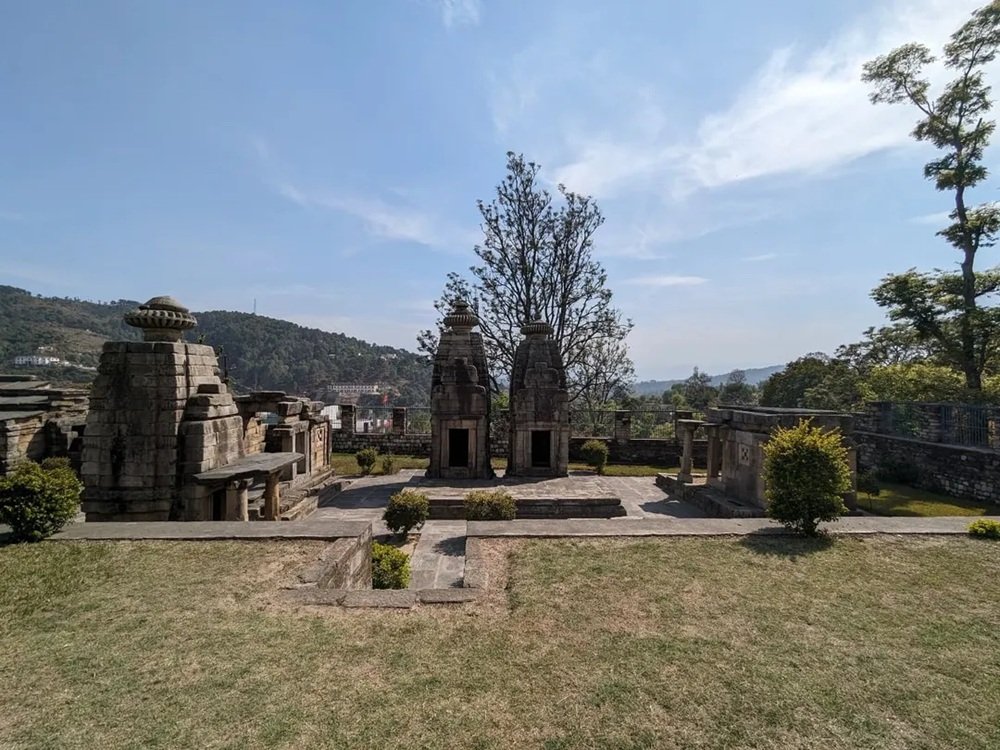
The commonly quoted count is 55 temples in eight groups, built in the Nagara style with carved stone doorways, curved towers (shikhara) and pillared porches. Several groups are protected by the ASI. Many are small and a few are badly weathered, so go with realistic expectations.
Places to See Around Dwarahat
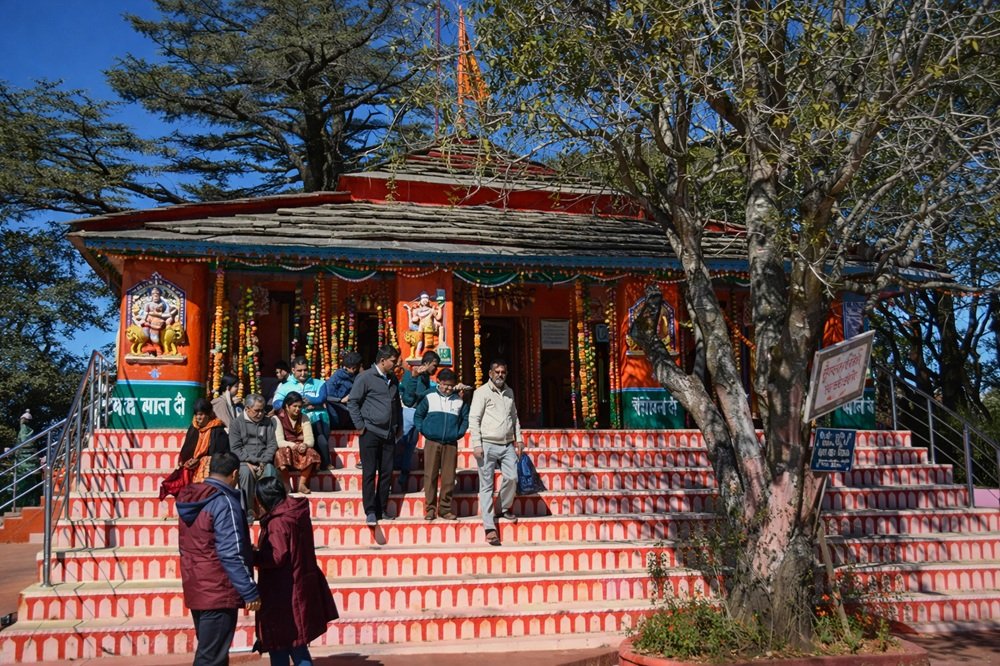
These are the places most visitors fit in around the Babaji Cave journey.
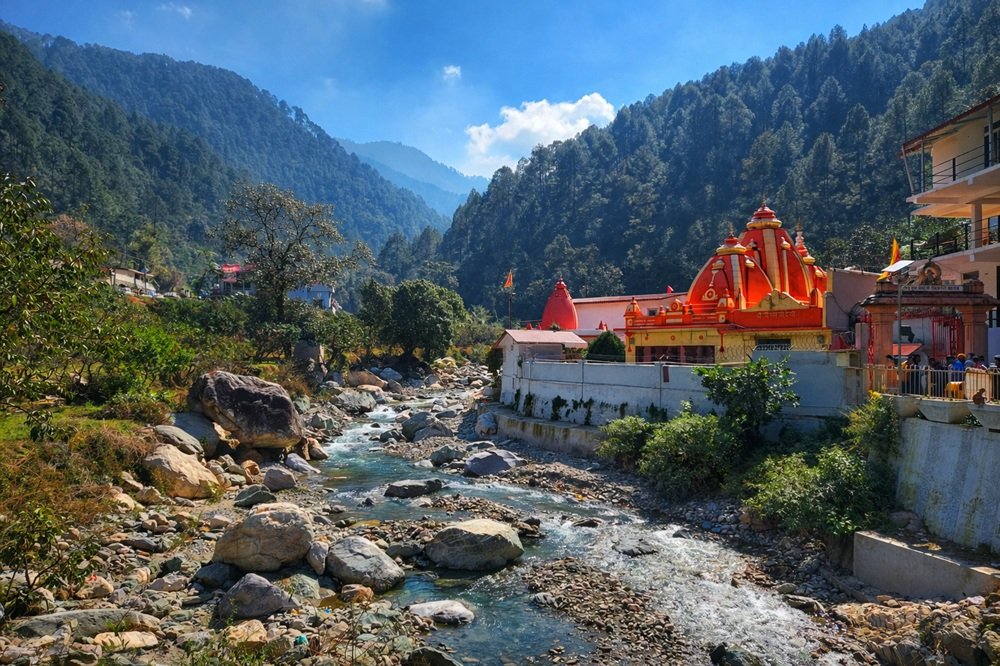
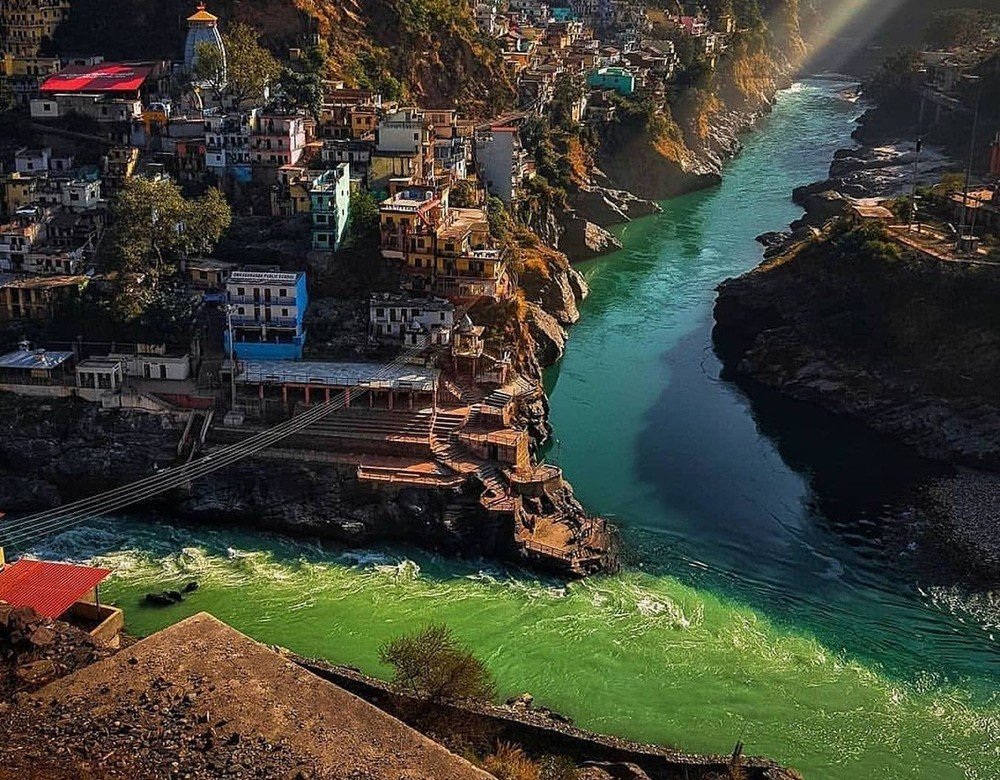

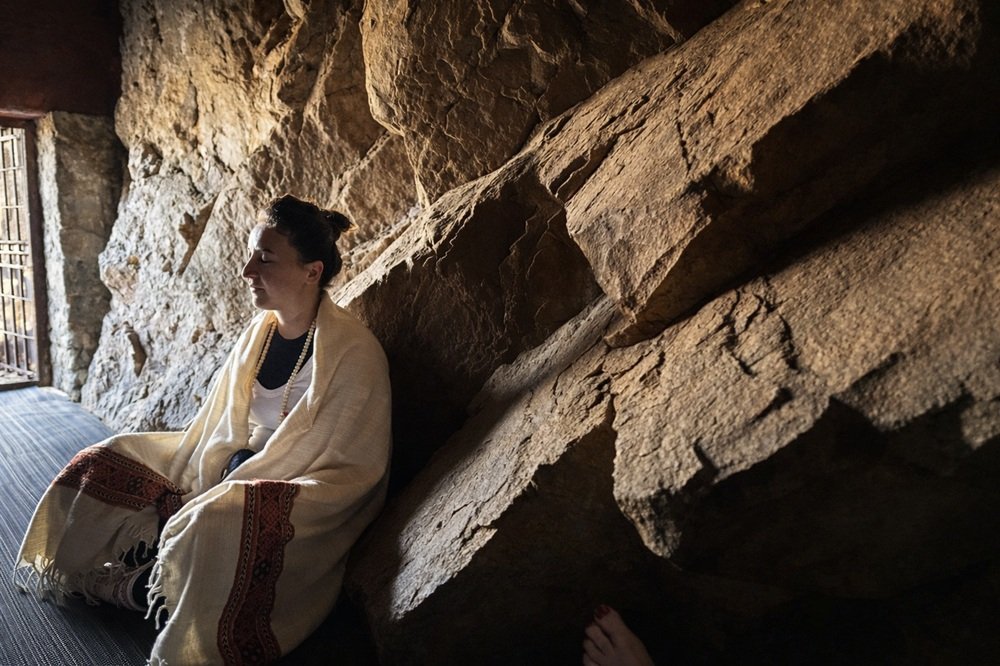
Temple Groups of Dwarahat
You do not need to see all eight groups. If you have only two or three hours, pick from these. Most are inside or close to the town, so they are easy to combine with a stay here.
Kacheri Group (Kacheri-ki-Dewal)
A row of pillared shrines near the town centre. The name means “court temples”. Easy to reach on foot and a good first stop.
Ratan Deo Group
Originally nine shrines, with about six standing today. Three of them share one platform and are dedicated to Brahma, Vishnu and Shiva. Good for seeing the carved doorways up close.
Mritunjaya Group
One of the most sacred groups in town, with the main shrine dedicated to Shiva as Mritunjaya. It is protected by the ASI as a monument of national importance.
Gujar Deo Temple
Often described as the finest temple here, in the Sekhari shikhara style with a panchratha plan. It is a little worn now, but the stone carving is still clear.
Maniyan Group
A cluster of small shrines with a sanctum that holds an eight-armed Devi on a lion. It is quieter than the central groups and good for photographs.
Badrinath, Bandeo and Others
The Badrinath group has three temples of Vishnu. Bandeo and Kutumbari temples are also listed by the ASI. Ask at your hotel which ones are easiest from your route.
Dwarahat to Mahavatar Babaji’s Cave: Distance & Route
Babaji’s Cave is not in Dwarahat town. It is in the Dunagiri hills near Kukuchina village, and Dwarahat is the main base town on the way. The motorable road ends near Kukuchina, and the last part to the cave is on foot through pine forest.
Leave Dwarahat early
Start by around 8 or 9 am. You need daylight for the drive, the walk, some quiet time at the cave and the return.
Drive via Dunagiri to Kukuchina
Take the hill road towards Dunagiri and carry on to Kukuchina, where the road effectively ends. Local taxis from Dwarahat do this route regularly. Ask your driver about the exact point where the walk starts.
Walk to the cave
Carry water, wear shoes with grip and go at your own pace. The trail is uphill and can be slippery after rain.
Return before evening
Start back with enough light left. The drive down to Dwarahat is easier in daylight, and mobile network can be weak in the hills.
Mahavatar Babaji’s Cave in the Dwarahat Range
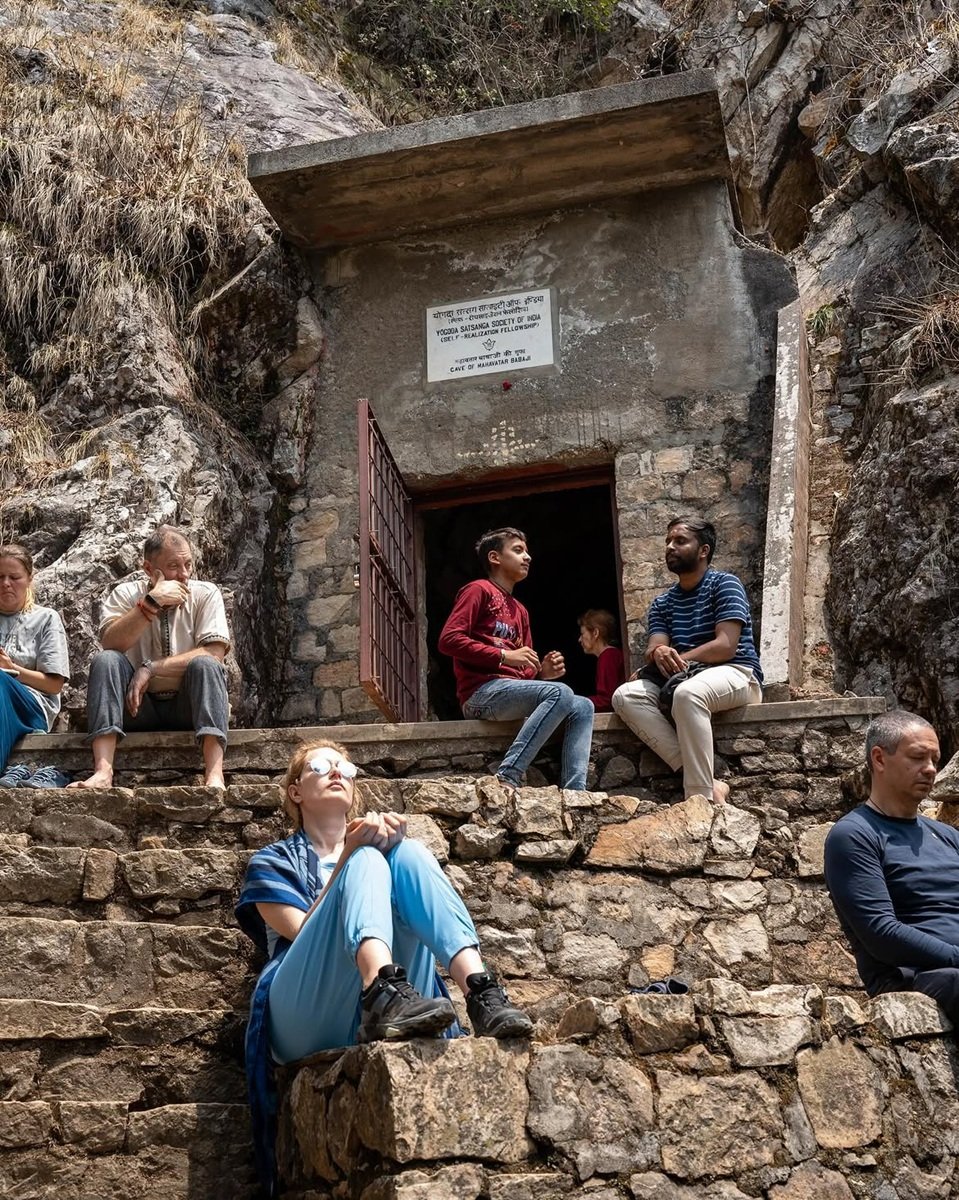
The cave is known to Kriya Yoga followers because of Paramahansa Yogananda’s Autobiography of a Yogi. In that account, Lahiri Mahasaya was drawn to the Dunagiri hills near Ranikhet in 1861, where he met Mahavatar Babaji and received initiation into Kriya Yoga. Whether one takes this as history or as faith, the place is quiet, and people come to meditate and pray.
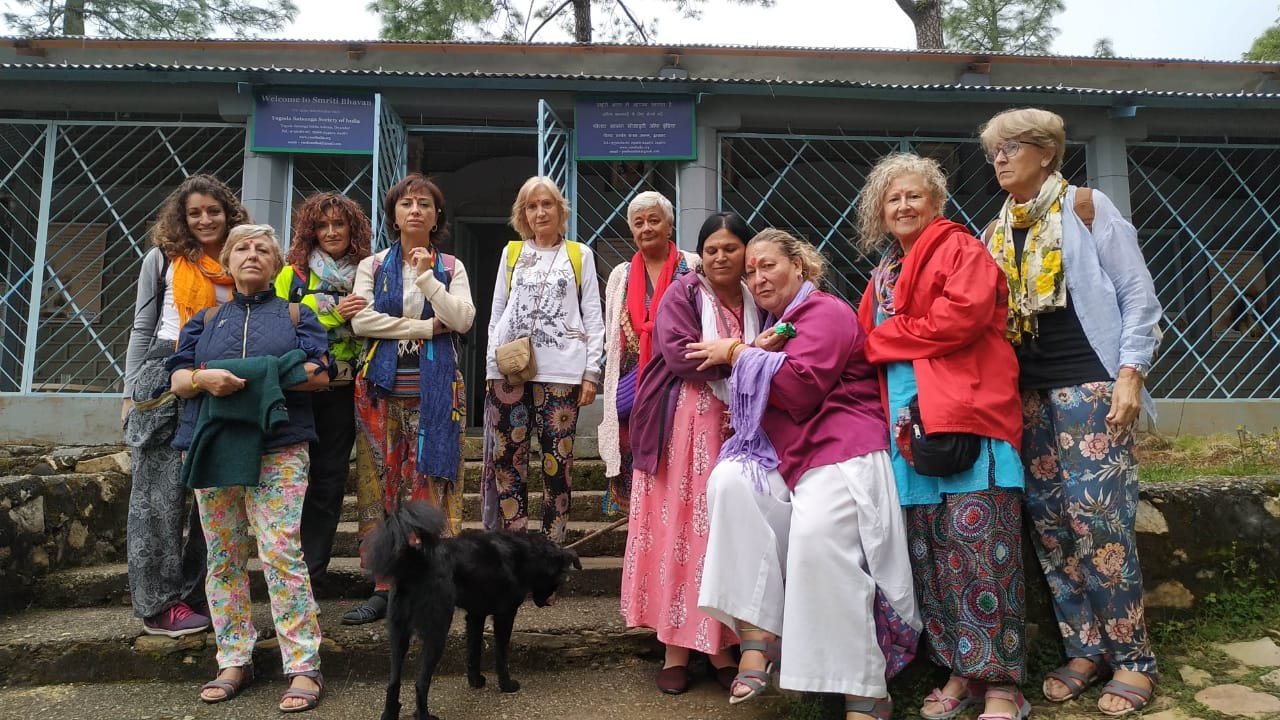
The cave is small and simple. A YSS (Yogoda Satsanga Society) hut stands nearby, and the Dwarahat ashram of YSS is a well-known contact point for devotees. Please keep silence near the cave and treat it as a place of worship, not a picnic spot.
Before You Go
- Check weather and road condition the day before
- Wear walking shoes with good grip
- Carry water, a light snack and a rain cover
- Keep a torch or phone light for the return
- Best months are generally March to June and September to November
Respect the Sacred Site
- Dress modestly and keep your voice low
- Do not play music or take loud calls
- Follow instructions from the caretakers and YSS volunteers
- Carry all your waste back with you
- Avoid the monsoon months if you can, because landslides and slippery trails are common
Where to Stay: Dwarahat or Near Dunagiri
Dwarahat has the widest choice of hotels, homestays and guesthouses, plus shops and taxis. Near Dunagiri and Kukuchina there are a few simple lodges and resorts, some within a few kilometres of the cave, which saves you the morning drive. Rooms are limited in the hills, so book ahead in the peak seasons and festival weeks. Ranikhet, about 35 km from Dwarahat, is a good fallback with many more hotels.
Frequently Asked Questions
Where is Mahavatar Babaji’s Cave located?
It is near Kukuchina village in the Dunagiri hills of the Dwarahat range, Almora district, Kumaon. Kukuchina is where the motorable road ends, and the cave is a walk of about 2–3 km from there.
What is the distance from Dwarahat to Babaji Cave?
About 25 km by road from Dwarahat to Kukuchina (roughly 1 to 1.5 hours), then a walk of about 2–3 km to the cave. Some sources quote a slightly shorter road distance, so confirm with your driver.
Can I visit Dwarahat temples and Babaji Cave on the same day?
Yes, if you plan it properly. Visit the main temple groups after you return from the cave, or on the morning of arrival, and do not try to see every group. The walk to the cave and back is the part that needs most daylight.
How many temples are there in Dwarahat?
About 55 old temples, divided into eight groups, are commonly counted. Groups such as Ratan Deo, Mritunjaya, Kacheri, Maniyan and Gujar Deo are protected by the ASI.
Why is Dwarahat historically important?
It was a seat of the Katyuri rulers of Kumaon, and later came under the Chand rulers. Its temples, mostly dated between the 8th and 13th centuries, are among the main surviving examples of early Kumaon temple architecture.
What is the nearest railway station and airport?
Kathgodam is the nearest railway station, roughly 100 km from Dwarahat. Pantnagar is the nearest airport. From either, you travel on by taxi via Ranikhet or the hill road to Dwarahat.
Do I need a guide to visit the cave?
A guide is not always required, but a local driver who knows the road end and the trail start is very useful, especially for first-time visitors. Ask your hotel or contact us before you travel.
Continue Planning Your Babaji Cave Visit
Need help planning your journey?
Ask about transport, stay or arranging a visit to Mahavatar Babaji’s Cave before your travel date.