
Mahavatar Babaji Cave Trek Packing List: What to Bring
The walk to Babaji’s Cave is short, about 2 km, but it is uphill, the weather changes fast and there are no shops on the trail. Here is a simple, season-wise list of what to carry, what to leave behind and how to pack light.
Many people think a 2 km walk needs nothing special, and then end up in slippery shoes, without water, in a cold wind at the cave. You do not need trekking gear like a Himalayan expedition. You need the right shoes, a warm layer, water, a small bag and a bit of planning. This list is made for the walk from Kukuchina, the end of the motorable road near Dunagiri, to Mahavatar Babaji’s Cave.
Know the Trail Before You Pack
Packing is easy once you know what the day looks like. You drive from Dwarahat (about 25 km, 1 to 1.5 hours) to Kukuchina, where the road effectively ends. From there it is about 2 km on foot to the cave through pine forest, usually 1 to 2 hours one way. The cave is in the Dunagiri hills, well above Dwarahat town, so it is cooler and windier than down in the market.
Plan for a Half to Full Day
Count the drive, the walk up, some quiet time in the cave and the walk down. Most people leave Dwarahat by 8 or 9 am and return in the evening. Pack as for a full day out, not a quick visit.
Few Facilities on the Way
There is a simple tea shop and food place at Kukuchina, but nothing is guaranteed on the trail or at the cave. Carry your own water and snacks, and do not depend on getting anything on the way.
The Packing Checklist
Everything below fits in a small daypack. The first group is the must-carry list. The rest depends on season and on how comfortable you are on hill trails.
Footwear
- Shoes with good grip, such as trekking shoes or sturdy sports shoes
- Two pairs of comfortable socks, one spare in the bag
- Avoid slippers, sandals and smooth-soled shoes
- Break in new shoes before the trip, not on the trail
Water and Food
- 1 to 2 litres of water per person, more in hot months
- Light snacks like dry fruits, nuts, biscuits, fruit or a energy bar
- Glucose or electrolyte powder if you tire easily
- A small reusable bottle, not single-use plastic if you can avoid it
Clothing
- Comfortable trousers or track pants that let you climb easily
- A light warm layer such as a fleece or sweater, even in summer
- A shawl or light jacket for sitting still in the cave
- Modest clothing, since it is a place of worship
Rain and Sun Protection
- Light raincoat or poncho, and a rain cover for your bag
- Cap or hat and sunglasses on clear days
- Sunscreen, because the sun is stronger at height
- Gloves and a woollen cap in winter
Safety and Health
- Your regular medicines, plus pain relief, ORS and antiseptic
- Plasters or blister tape for new shoes
- A torch or headlamp in case the return gets late
- If you have heart, breathing or joint problems, ask your doctor before the walk
Documents and Gadgets
- Photo ID and a copy of your booking or driver’s number
- Some cash, because card and UPI may not work in the hills
- A charged phone and a power bank
- Offline map or saved directions, as mobile network can be weak
What to Pack by Season
The walk is the same all year, but the weather is not. Check the forecast a day before and adjust.
March to June
Usually pleasant and clear. Carry extra water, a cap and sunscreen, plus a light warm layer for the cave. Start early, because afternoons can be warm.
July to September (Monsoon)
Raincoat, bag rain cover and shoes with very good grip are a must. Pack a spare dry set of socks in a plastic bag. Leaches and landslides are possible in some hill areas, so keep extra days free and check road conditions.
October and November
Usually clear and calm, but mornings and evenings are cold. Carry a warm layer, a shawl and a torch because daylight ends early.
December to February
Cold, especially in the shade of the forest. Wear layers, carry gloves, a woollen cap and a thermos of warm water or tea. Check with your driver whether snow or ice has affected the road.
Things for a Quiet Visit to the Cave
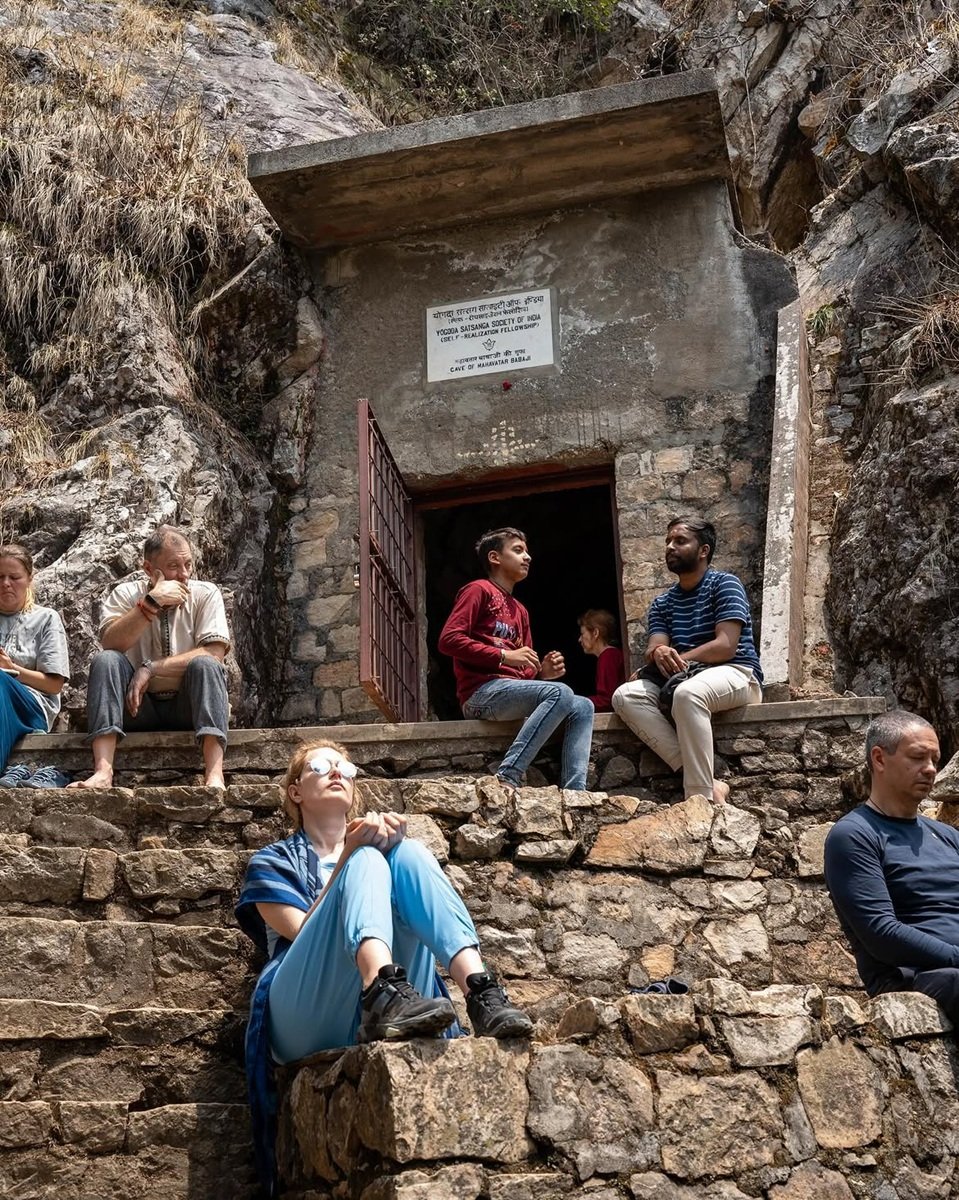
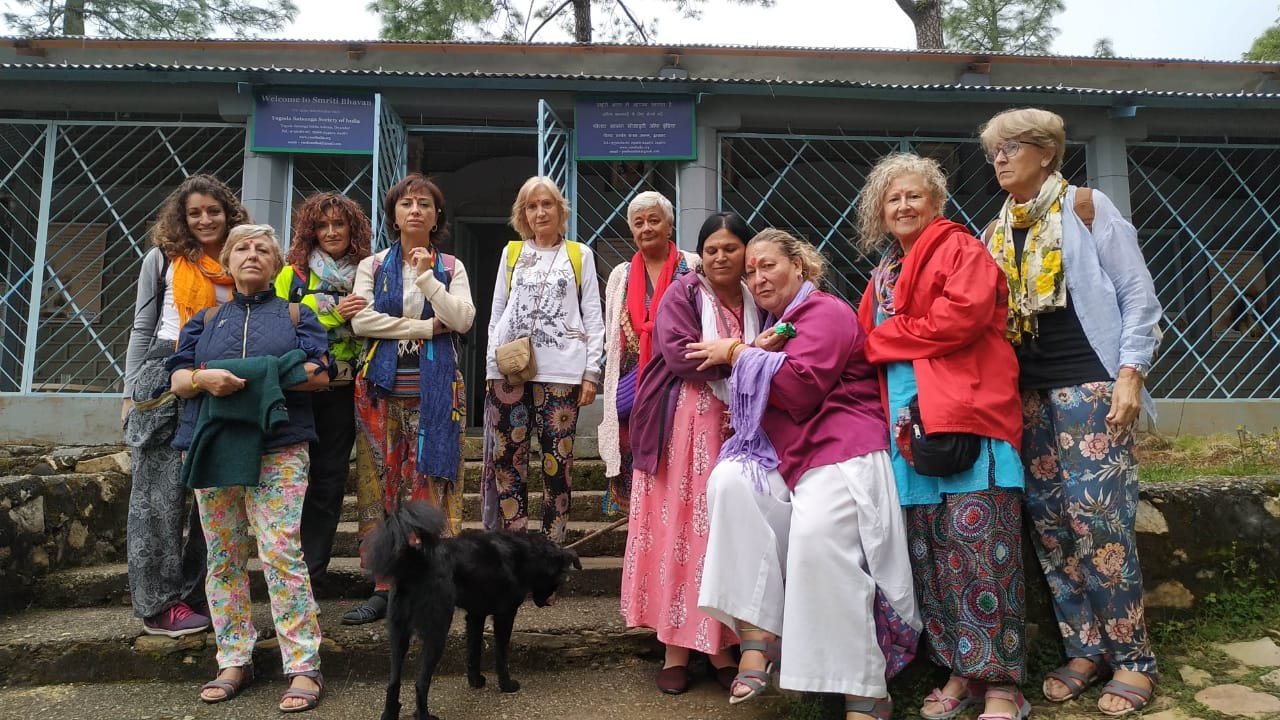
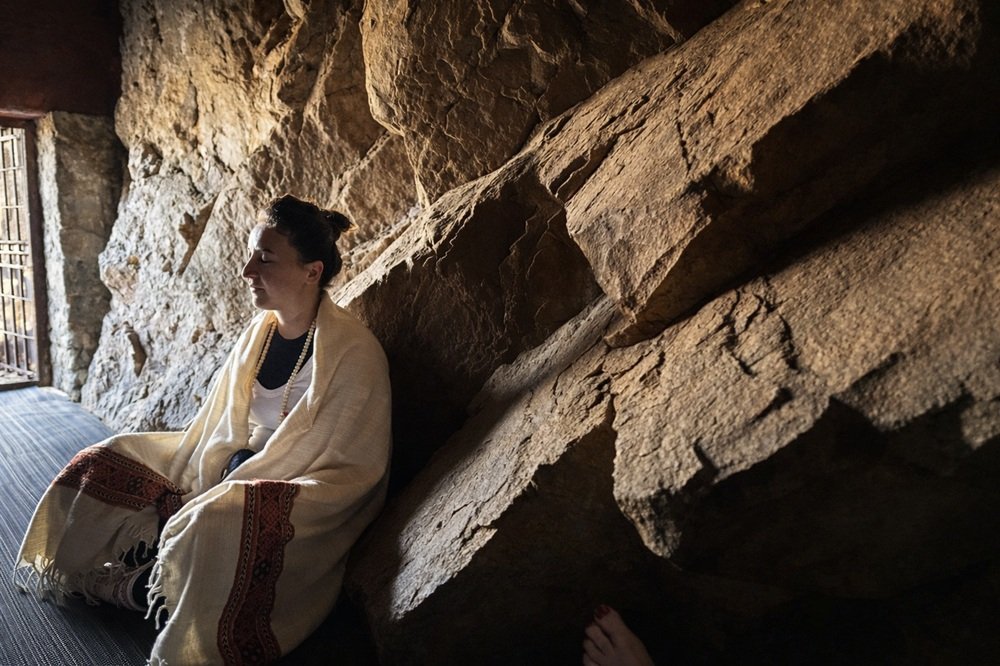
Most people come here to sit and meditate, not only to reach a viewpoint. A few small items make that easier.
Useful for Meditation
- A thin mat, folded shawl or light cushion to sit on
- A small notebook or beads, if you use them
- Warm layer, since you will be sitting still
- Headphones are not needed. Keep the place silent
Leave These Behind
- Loud speakers and music
- Plastic bags and wrappers that you cannot carry back
- Heavy luggage, laptops and valuables
- Tobacco, alcohol and non-vegetarian food near a place of worship
How to Pack Light
Every extra kilo feels like three on an uphill trail. Take only what the checklist says.
Choose one small bag
A 15 to 25 litre daypack with padded straps is enough. Leave the suitcase at the hotel.
Pack heavy items close to your back
Put the water bottle and snacks in the middle and low part of the bag, and keep the rain cover, torch and ID in an outer pocket.
Keep a dry bag for phone and documents
A simple zip pouch works. Hill weather can turn wet within minutes.
Do a last check at the road end
Before you start walking, check water, shoes, torch and the time. Tell your driver when you plan to be back at the road.
Walking Tips for the 2 km Trail
Pace Yourself
The trail is short but uphill. Walk slowly and take short breaks, rather than rushing the first half and getting tired. At around 2,000 m height some people feel breathless, so take it easy.
Start Early, Return in Daylight
Plan to leave the cave with enough light to get back to the road. Forest trails get dark faster than open roads.
Watch the Weather
If clouds build up or rain starts, slow down and check your footing. Wet rocks and leaves are slippery.
Go with Local Help if Unsure
A local driver or guide who knows the road end and the trail start can save you time. Ask your hotel or contact us before the trip.
Frequently Asked Questions
What should I carry for the Babaji Cave trek?
Grip shoes, 1 to 2 litres of water, snacks, a warm layer, a rain cover or raincoat, a torch, sun protection, personal medicines, cash, photo ID and a bag to bring your waste back.
How long is the Babaji Cave trek?
The walk from the road end near Kukuchina to the cave is about 2 km uphill. Most people take 1 to 2 hours one way.
Do I need trekking shoes?
Proper trekking shoes are best, but sturdy sports shoes with a good grip also work. Avoid slippers, sandals and smooth-soled shoes, especially in the monsoon.
Is water or food available on the trail?
There is a simple tea shop and food place at Kukuchina, but you should not depend on anything on the trail or at the cave. Carry your own water and snacks.
What should I wear to the cave?
Wear comfortable, modest clothes and keep a warm layer or shawl, even in summer, because it is cooler at the cave and you will be sitting still.
Is the trek difficult for older people or children?
It is short but uphill, so it is moderate for most people. Go slowly, take breaks and avoid wet days. If you have heart, breathing or joint problems, ask your doctor first.
Can I get mobile network on the trail?
Network can be weak in the hills, so do not depend on it. Save directions offline and tell your driver the time you plan to return.
Should I carry cash?
Yes. Card and UPI may not work everywhere in the hills, so keep some cash for the tea shop, taxi and small expenses.
Continue Planning Your Babaji Cave Visit
Need help planning your journey?
Ask about transport, stay or arranging a visit to Mahavatar Babaji’s Cave before your travel date.