
Best Time to Visit Mahavatar Babaji Cave (Month by Month)
Many visitors ask us, which is the best month for Babaji Cave? Short answer: March to June and October to November are the best months. July to September has heavy rain, and December to February is cold. Below we explain month by month what to expect, so you can plan your trip properly.
Quick answer: when to go to Babaji Cave
For most people, April to June and October to November are the easy months. The road is mostly open, the walk is comfortable and the sky is usually clear in the morning. March is also good if you do not mind cold mornings. Monsoon months are not good for this trip, because the hill road and the forest trail both get slippery.
How the trip works (so you can judge the weather)
The cave is not in Dwarahat town. You drive from Dwarahat to Kukuchina, about 25 km, which takes around 1 to 1.5 hours on the hill road. The road ends there. From the road end it is about 2 km on foot, uphill through pine forest, and most people take 1 to 2 hours one way.
Dwarahat is at about 1,510 m and the cave area is higher, so it is cooler and windier up there than in the town. That is why people sometimes start in warm sunshine and reach the cave in a cold breeze. Rain also matters a lot, because wet rocks and leaves on the trail get slippery. Read our Mahavatar Babaji Cave Weather Guide for more on this.
Babaji Cave Weather Month by Month
This table is a general guide based on the usual weather pattern in the Kumaon hills. It is not a forecast, so always check before you travel.
| Month | What to expect | Our advice |
|---|---|---|
| January | Very cold mornings and evenings. Days can be sunny but fog or rain is possible. | Only if you are ready for the cold. Carry warm clothes and check the road. |
| February | Still cold, slowly getting better. Some rain or snow is possible in the higher hills. | Check local conditions first. Start early because evenings are cold. |
| March | Cold mornings, pleasant days. Views are often clear. | Good start of the season. Carry a warm layer. |
| April | Pleasant weather and a comfortable walk. | One of the best months. Book your stay early. |
| May | Warm days in the market, comfortable up near the cave. Can be busy. | Start early, carry enough water and sunscreen. |
| June | Hot afternoons lower down. Pre-monsoon showers can start, and the monsoon may arrive by late June. | Go in the first half if you can. Watch the forecast. |
| July | Heavy rain, slippery trail, landslide risk on the hill roads. | Avoid unless your plan is flexible. |
| August | Usually the wettest part of the year. Road blocks are possible. | Best to avoid this month. |
| September | Rain slowly reduces by the end of the month. Hills are very green, but roads may still be in bad shape. | Better to wait until late September or October. |
| October | Cool, clear and calm after the rains. Very good for the walk. | One of the best months. Carry a warm layer for the evening. |
| November | Clear days, cold mornings and evenings, short daylight. | Good month. Leave early and come back before dark. |
| December | Cold, with frost in early mornings. Daylight is short. | Warm clothes, early start, and confirm the road first. |
Visiting in Spring (March and April)
After winter the hills slowly come back to life. Mornings are still cool, but the days are pleasant and the walk to the cave is comfortable. For many people this is the best time for a quiet visit, meditation and some peaceful sitting in the cave.
What to carry
- A light warm layer for early morning and the cave
- Shoes with good grip, the trail can still be damp in places
- A small rain cover in case of a spring shower
Best for: first-time visitors, families and people who want a quiet visit without heavy cold or heavy rain.
Visiting in Summer (May and June)
Summer is popular because school holidays are on and the plains are very hot. In the hills it is more comfortable, but afternoons in the lower areas can still feel warm. The cave side is cooler. Weekends and holidays can be busy on the road and at the stay places, so book in advance.
What to carry
- Light cotton clothes, and a warm layer for the cave
- Cap, sunglasses and sunscreen, the sun is strong at height
- 1 to 2 litres of water and some snacks
- A raincoat for late June, when pre-monsoon showers can come
Best for: people who like warm weather and can take a morning start. Try to reach the cave before the afternoon heat.
Visiting During the Monsoon (July to September)
The hills look beautiful in the rain, very green with clouds everywhere, but this is not the easy time for Babaji Cave. Heavy rain can cause landslides on the hill roads, slippery rocks on the forest trail, and sometimes the road gets blocked for hours. A short walk becomes a difficult one in wet shoes.
Before you decide to go
- Check the weather forecast and call your driver or hotel one day before
- Ask about any landslide or road block between Ranikhet, Dwarahat and Kukuchina
- Keep one or two extra days in your plan
- Carry a proper raincoat, a bag cover and a spare pair of socks in a plastic bag
- If it rained heavily the whole night, do not walk the trail in the morning
Best for: only flexible travellers who can change plans at the last moment. If you have fixed holidays, choose another season.
Note: some Kriya Yoga followers may visit around the commemoration day of Mahavatar Babaji in late July. If you want to join, please check dates and arrangements with the YSS ashram at Dwarahat, and expect extra rain and crowd.
Visiting in Autumn (October and November)
After the rains the air is clean and the views are clear, so this is a lovely time to travel in Kumaon. The walk is comfortable, the nights are cool and many people prefer these months for meditation. Daylight becomes shorter, so plan to start the walk in the morning and come back before evening.
What to carry
- A warm layer or shawl, mornings and evenings are cold
- A torch in case the return gets late
- Water, snacks and shoes with grip
Best for: almost everyone, including senior citizens and families, if the weather is clear. Check roads in early October in case of damage from the monsoon.
Visiting in Winter (December to February)
Winter is quiet and peaceful, and there are fewer visitors. But it is really cold, especially in the early morning, in the shade of the forest and after sunset. Frost, fog and sometimes rain or snow in the higher hills can affect travel. We suggest asking your driver or hotel about the current road condition before you leave.
What to carry
- Warm layers, a jacket, woollen cap, gloves and thick socks
- Shoes with strong grip, the trail can be cold and damp
- A thermos with warm water or tea
- A torch, because it gets dark early, around 5 to 5.30 pm
Best for: well-prepared travellers who like quiet and cold. Skip the walk if there is ice or snow on the path.
Best Time of Day for the Cave Trek
Whatever the month, morning is better. Start from Dwarahat around 8 to 9 am, so you reach Kukuchina by 9.30 to 10.30 am and start the walk soon after. Mornings are usually clearer, and in rainy months clouds and showers often build up later in the day. In winter you need the daylight anyway.
Plan about 1 to 2 hours up, some quiet time in the cave, and then 1 to 2 hours down, plus the drive back. Try to be at the road end by late afternoon so that you are not walking in the dark. Read what to pack for the Babaji Cave trek before you go.
Which Month Is Best for You?
| If you are | Good months | Why |
|---|---|---|
| First-time visitor | April, May, October | Comfortable weather and a mostly open road. |
| Senior citizen or with children | April, May, October, early November | Mild weather, less slip risk and easier walking. |
| Here for meditation | March to May, October, November | Quiet days, clear mornings, good for sitting in the cave. |
| Photography | October, November, and the clear days after rain | Clean air and good views of the hills. |
| Flexible traveller who likes quiet | December to February | Fewer people, but you must be ready for cold and road checks. |
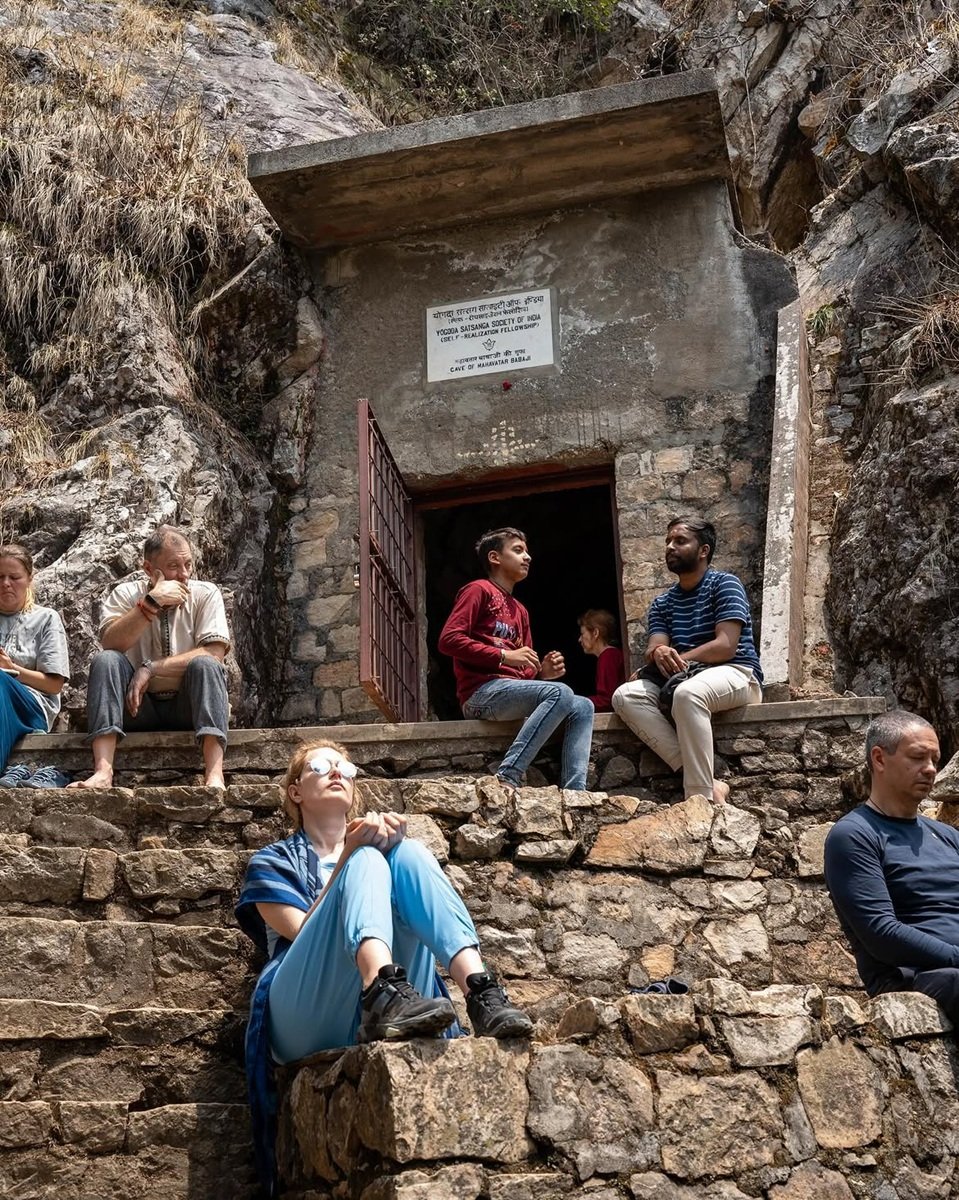
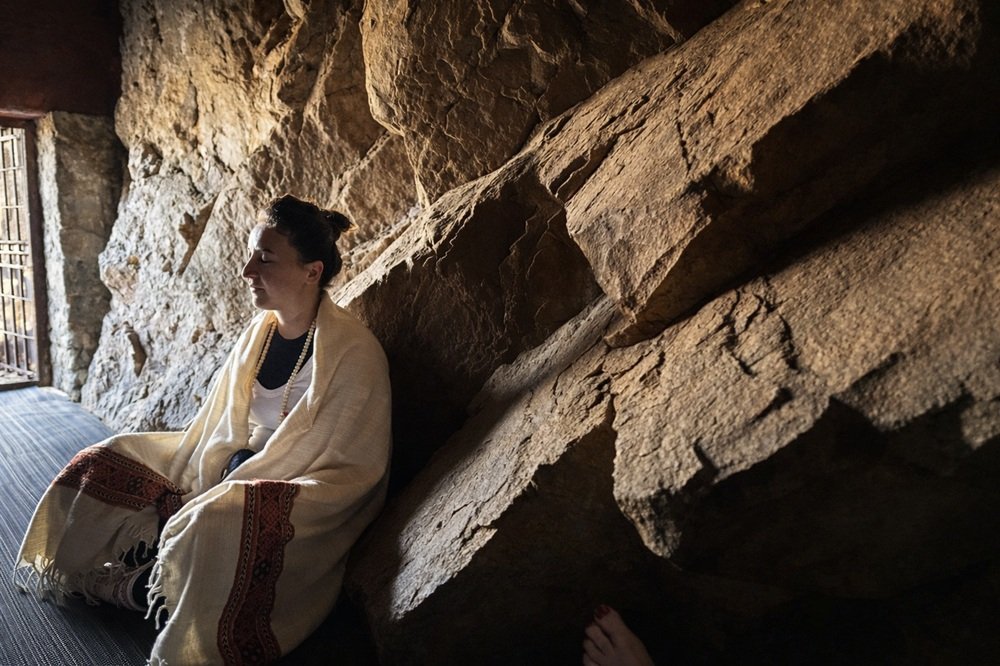
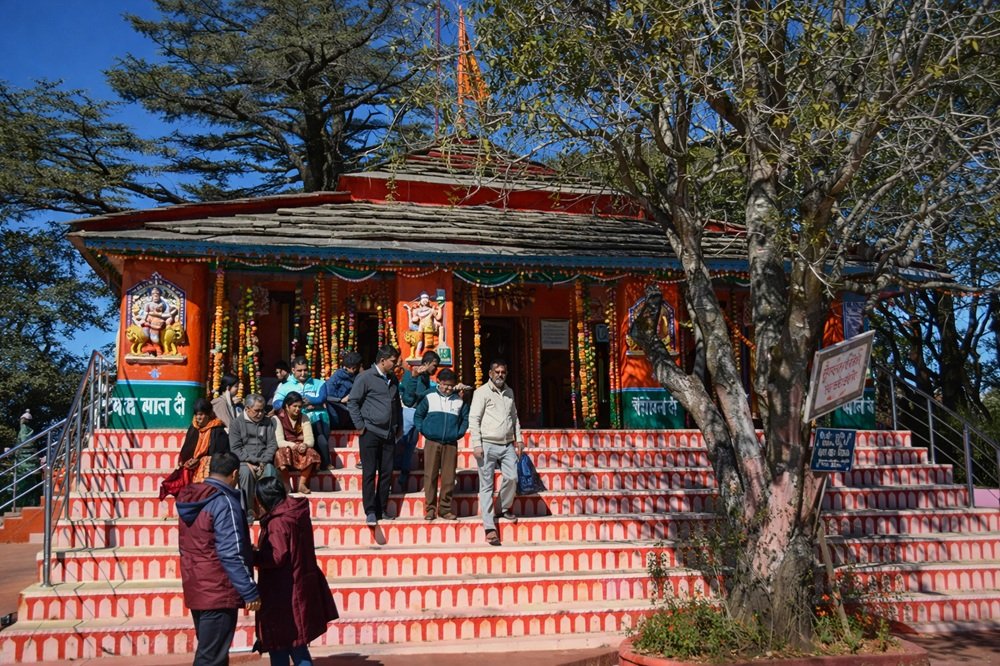
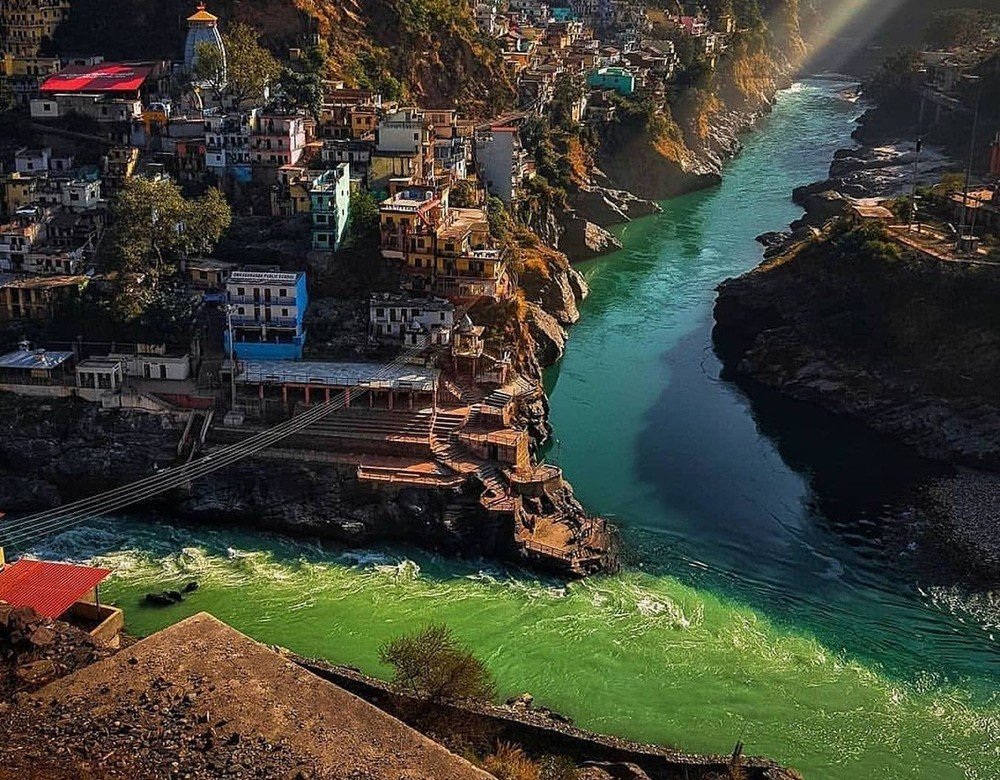
Scenes from the Journey to Mahavatar Babaji Cave
A few pictures from the route and the cave, so you know what you are going for.
Frequently Asked Questions
Which month is best to visit Mahavatar Babaji Cave?
April, May, October and November are the most comfortable months for most people. March is also good if you can handle cold mornings. Weather changes every year, so check the forecast before you go.
Which season is best for Babaji Cave?
Spring (March to April), early summer (May to June) and autumn (October to November) are the best seasons. Monsoon and deep winter need extra care.
Can I visit Babaji Cave in the monsoon?
It is possible on some days, but not recommended. Rain can cause landslides on the hill road and make the 2 km forest trail slippery. If you must go, keep extra days, check road news and postpone in heavy rain.
Can I visit Babaji Cave in winter?
Yes, many people do, but it is very cold, especially in the early morning and after sunset. Carry warm clothes, start early, and check the road and trail condition locally. Do not walk if there is ice or snow on the path.
Does it snow near Babaji Cave?
Snow can fall in the higher hills of Kumaon in winter, but it is not the same every year. Ask your driver or hotel about the situation just before your trip.
What is the best time of day for the walk?
Morning. Leave Dwarahat around 8 to 9 am, start the 2 km walk by late morning at the latest, and try to be back at the road before evening.
How much time should I plan for the visit?
Plan one full day from Dwarahat. The drive to Kukuchina is about 25 km (1 to 1.5 hours), the walk is about 2 km (1 to 2 hours each way), plus time to sit quietly at the cave.
Is it very crowded?
It is a quiet place for most of the year, but weekends, holidays and summer months can be busier. If you want peace for meditation, try a weekday in spring or autumn.
What should I wear and carry?
Comfortable clothes, shoes with good grip, a warm layer, water and a rain cover. See our Mahavatar Babaji Cave Trek Packing List for the full checklist.
Is the walk suitable for beginners?
Yes, it is short, but it is uphill. Walk slowly, take breaks, and go in good weather. If you have heart, breathing or knee problems, ask your doctor first.
More Mahavatar Babaji Cave Travel Guides
Planning your visit?
If you need help with taxi, stay or planning your trip to Mahavatar Babaji Cave, message us before your travel date.